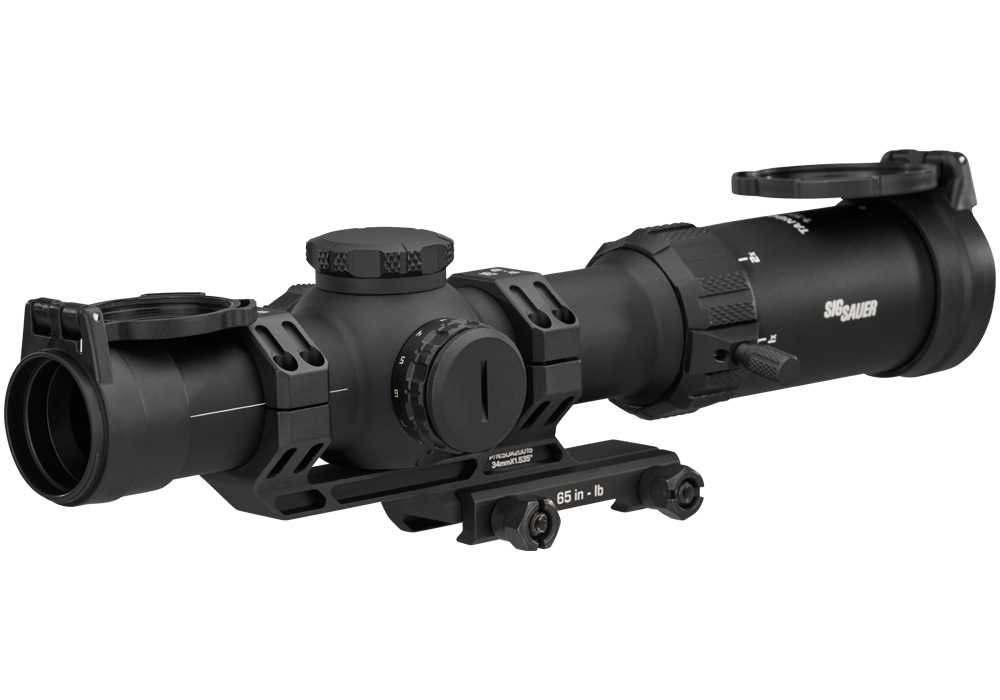
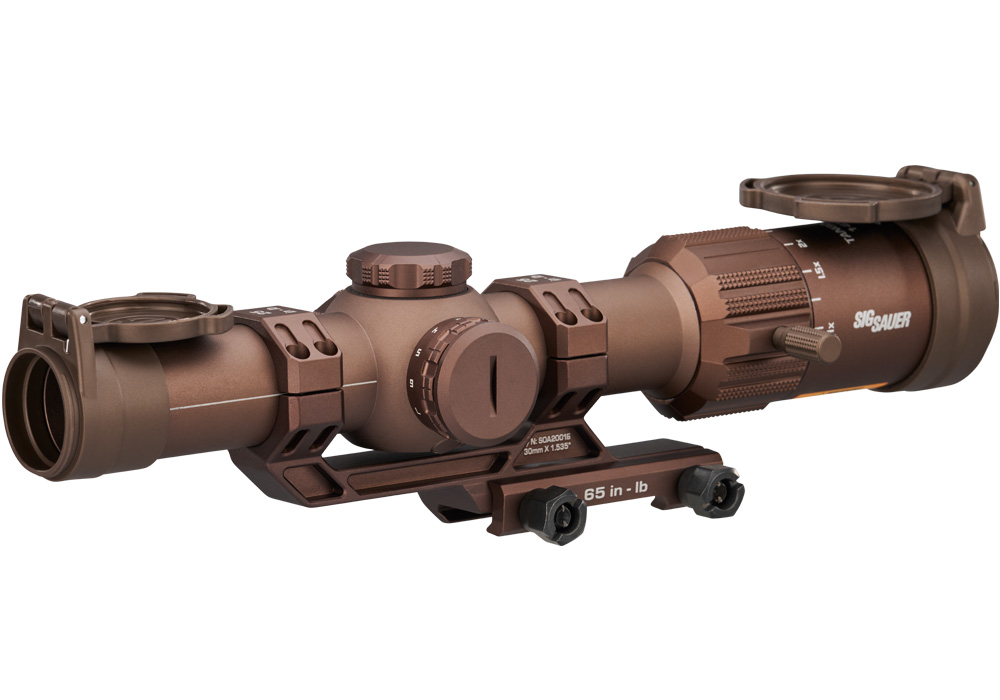
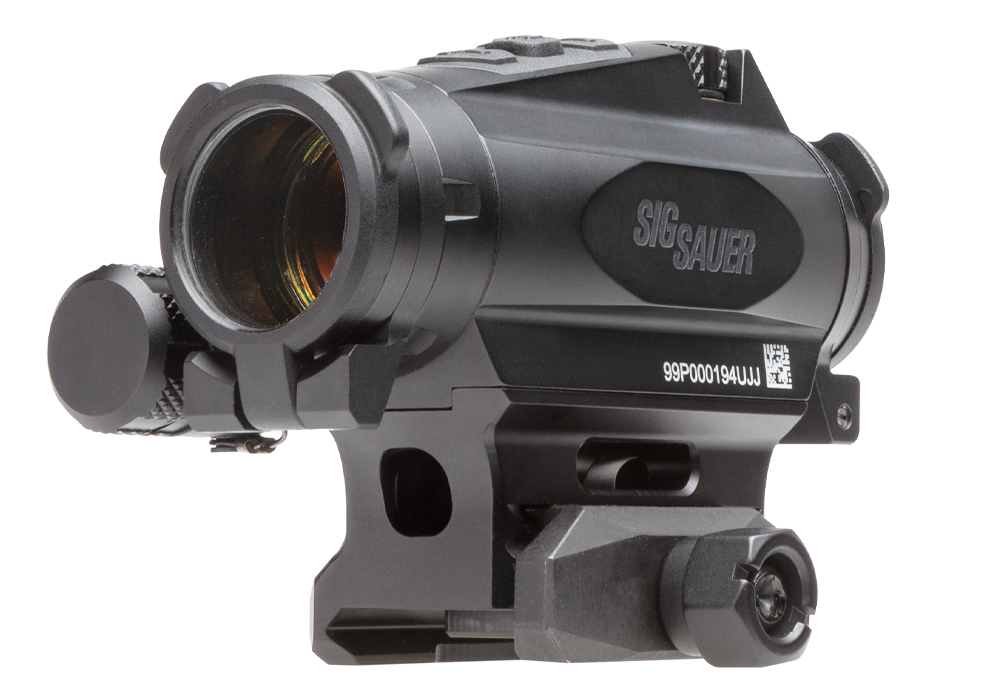
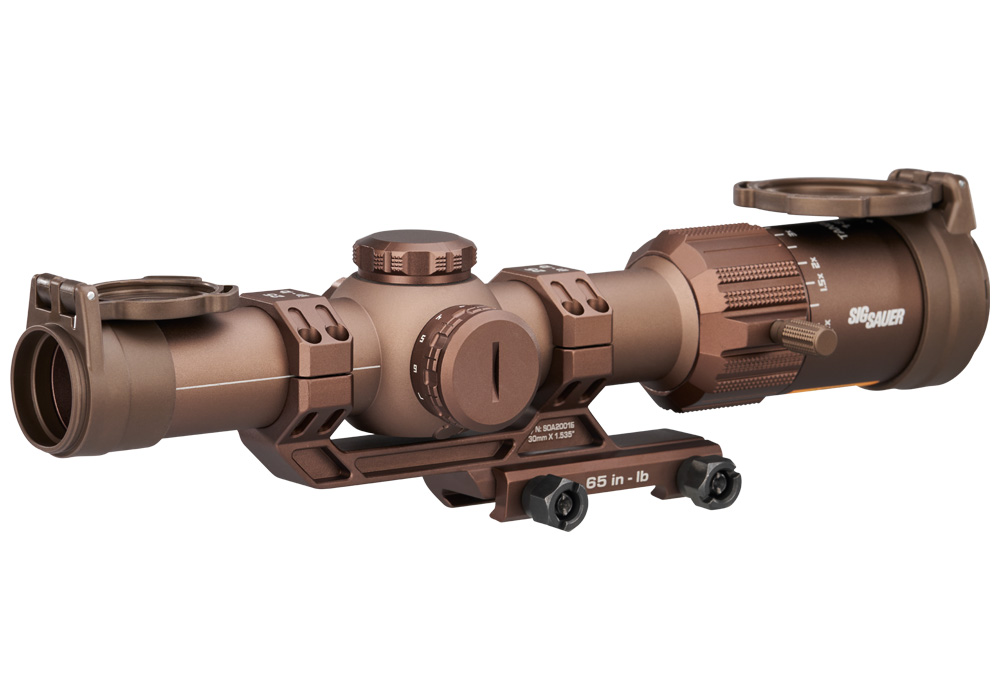
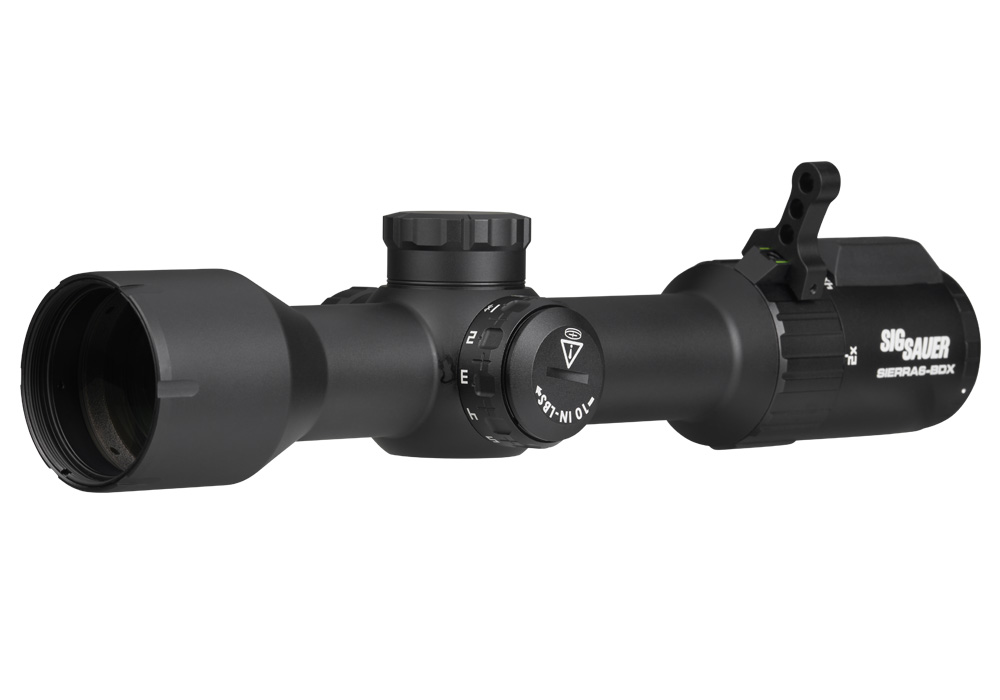
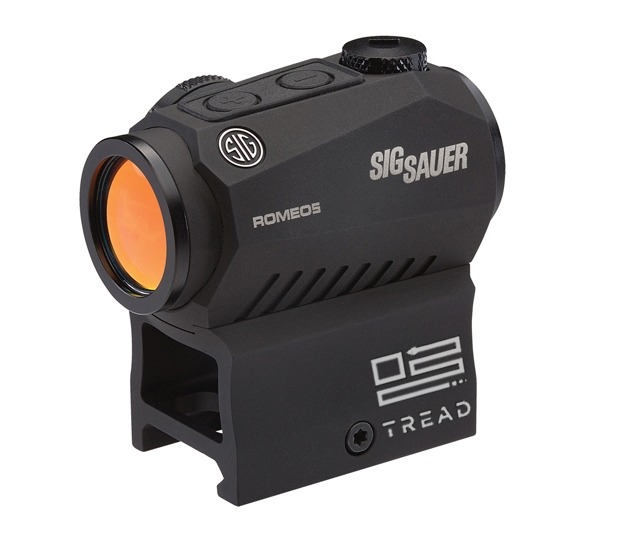
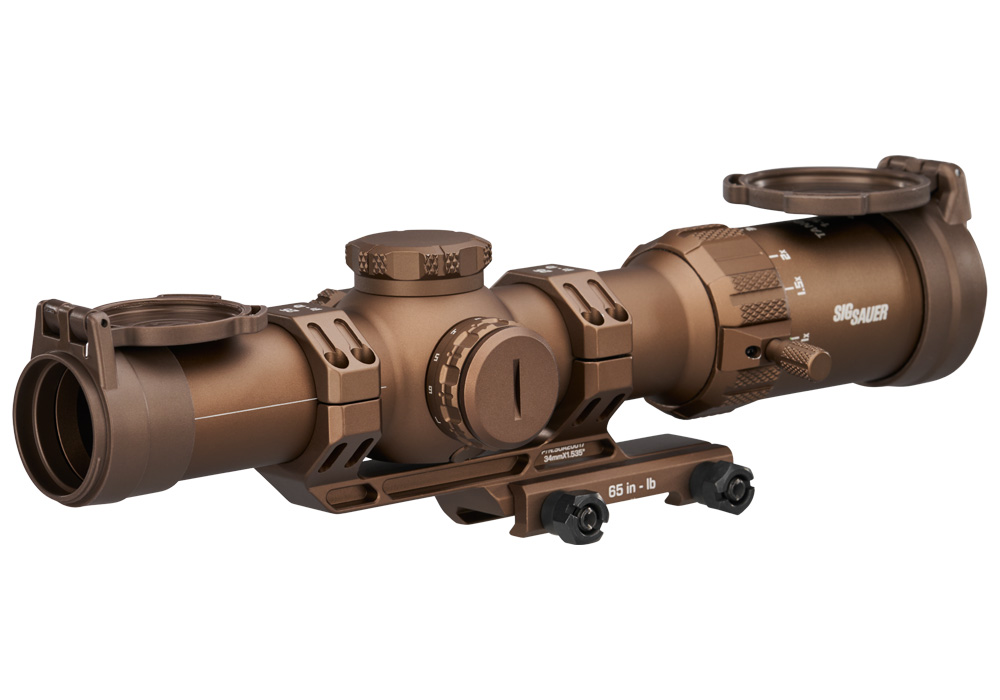
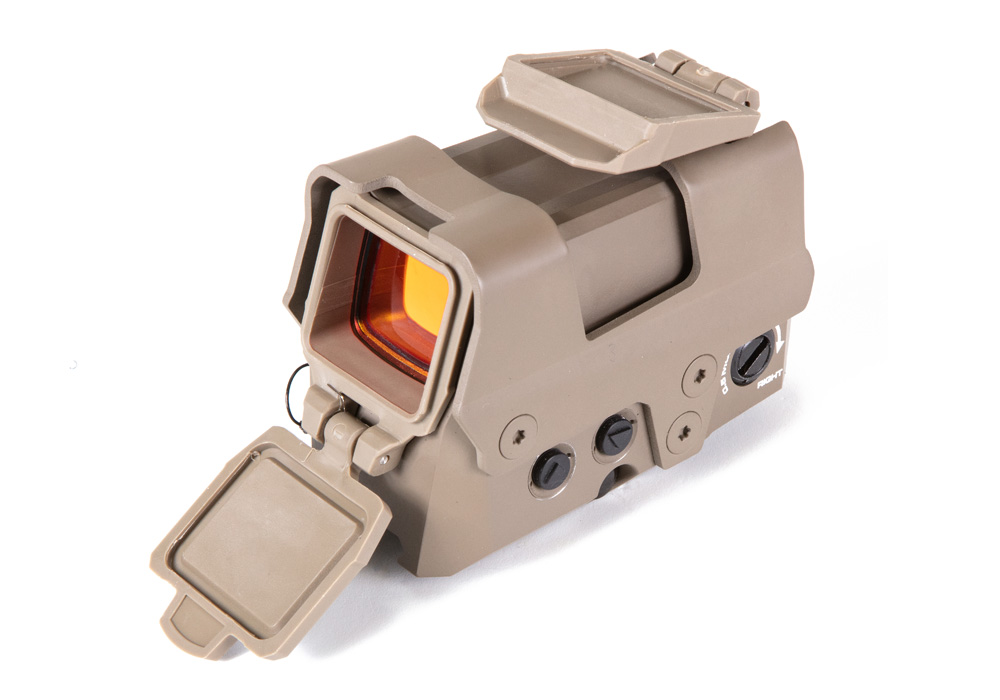
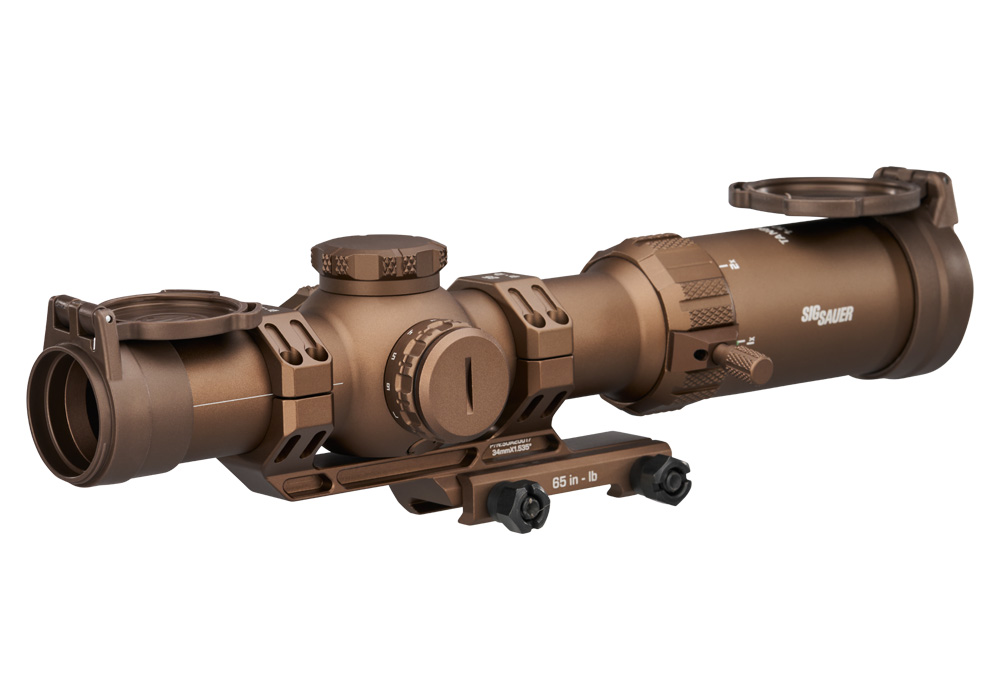
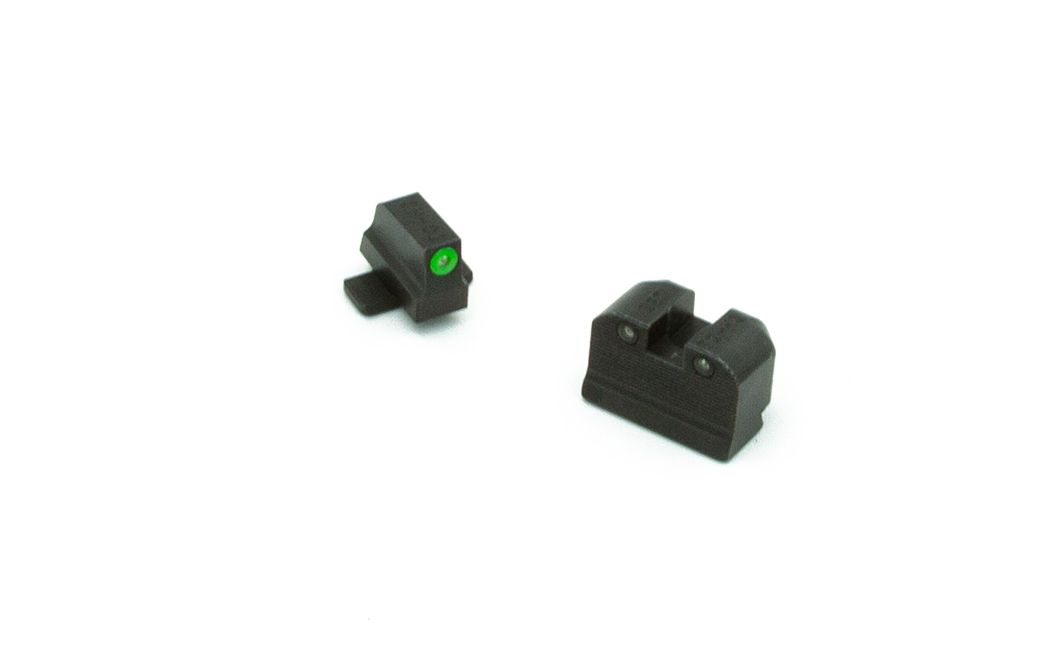
Reticle options shape the way an optic presents the target, the aiming point, and the information available at a glance. Choosing the right reticle begins with considering how the firearm and optic will be used, the distances involved, the lighting conditions, and the amount of visual detail that feels intuitive to the shooter. A simple Duplex or V-Plex-style reticle uses heavier outer posts that taper toward a fine center crosshair, helping the eye settle quickly on the aiming point without filling the field of view with additional markings. This familiar layout is often well suited to general-purpose shooting and hunting, especially when a clean sight picture matters more than built-in holdover references. Circle-and-dot designs, horseshoe reticles, and similar configurations place a prominent aiming reference at the center, which can help with rapid target acquisition at shorter distances. They are commonly considered for defensive, competition, and close-range applications where a shooter may need to bring the optic into position smoothly while maintaining awareness around the central aiming point. For users comparing specialized configurations, our selection of Tactical Reticles offers another way to explore reticle patterns designed around fast engagement, observation, and practical field use. A reticle should remain legible without overpowering the target; overly fine lines can disappear against a dark background or in fading light, while very bold markings may obscure small aiming points at distance. Illuminated reticles can improve contrast in low-light conditions, but brightness settings still matter. The best setting is usually the lowest level that remains visible, preserving the target’s detail instead of creating a bright flare in the optic. As the weather shifts through the cooler months, changing light, thick clothing, gloves, and shaded terrain can all influence how naturally a reticle comes into view, making clear controls and an uncluttered sight picture valuable considerations.
Reticle options that include measurement references are intended for shooters who want more information built into the sight picture. Mil-Dot and Mil-Hash reticles use marks spaced in milliradian increments, allowing a shooter familiar with the mil system to estimate range, account for bullet impact changes, or make windage and elevation holds. MOA reticles use minute-of-angle references and may be a natural fit for those who already set their scope adjustments and ballistic notes in MOA. Neither system is universally better; consistency between the reticle, turret markings, ballistic data, and the shooter’s training is what makes the system useful. BDC reticles add dots, lines, or additional aiming references below the primary crosshair, generally associated with bullet-drop holds at selected distances. Because bullet trajectory changes with cartridge, projectile weight, barrel length, velocity, sight height, and environmental conditions, BDC references should be treated as an aid rather than a guarantee. A shooter who changes ammunition or travels between elevations may see different results than the original calibration suggests. More elaborate Christmas Tree reticles extend this concept with a graduated grid below the center aiming point and horizontal windage references, giving experienced users multiple hold locations for rapid corrections without repeatedly adjusting turrets. These designs can be especially appealing for long-range practice, precision competition, and field shooting where wind and distance may change between engagements. They do require familiarity; the lower portion of the reticle can look busy at first, much like reading a compact map while standing at the edge of an open field. Training with an unloaded firearm or under controlled range conditions helps users learn which reference corresponds to which correction, while maintaining safe handling and following all applicable laws and range rules remains essential.
When comparing reticle options, start with the optic’s intended role and the distances most likely to be encountered rather than choosing the most complex pattern available. A hunter moving through timber may value a bold center and fast visibility when a target appears between branches, while a shooter practicing at extended distances may prefer fine hash marks, a Christmas Tree layout, or a calibrated BDC reference for more deliberate holds. A recreational range user may appreciate a versatile Duplex design that is easy to understand each time the optic is shouldered. Compatibility also deserves close attention: confirm the reticle’s focal plane, illumination controls, adjustment units, tube and mounting requirements, eye relief, and overall relationship to the firearm. First-focal-plane reticles change apparent size with magnification, keeping the subtensions consistent across the magnification range, while second-focal-plane reticles remain visually consistent as magnification changes and may rely on a particular setting for accurate reference spacing. Read the specifications carefully and consider whether the reticle remains practical at the lowest and highest magnifications you expect to use. These products can also make thoughtful gifts for a lawful adult who is building a hunting setup, refining a competition configuration, or spending cooler afternoons at the range, but reticle preference is personal. Before giving an optic or related accessory, it is wise to know the recipient’s firearm platform, mounting setup, preferred measurement system, and typical shooting distance. A reticle that feels perfectly natural to one shooter may seem crowded or unfamiliar to another. The strongest choice is the one that places the aiming point where the eye expects it, presents useful information without distraction, and supports confident, repeatable use in the environments where the optic will spend its time.