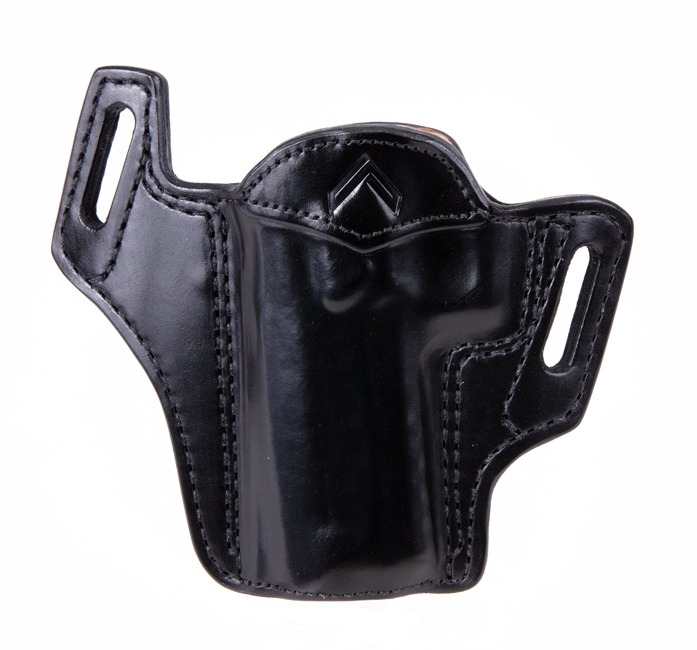
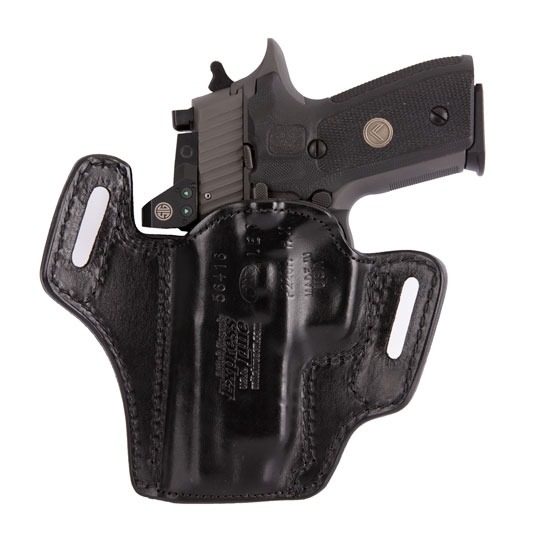
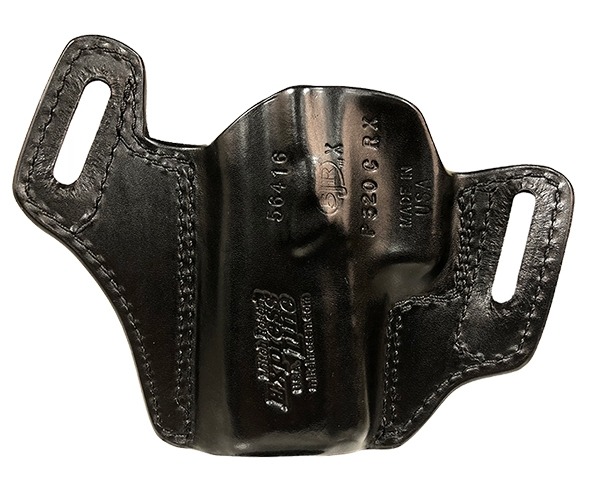
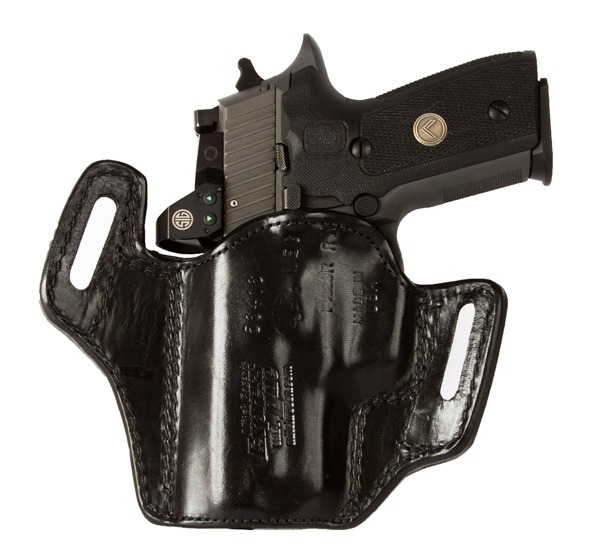
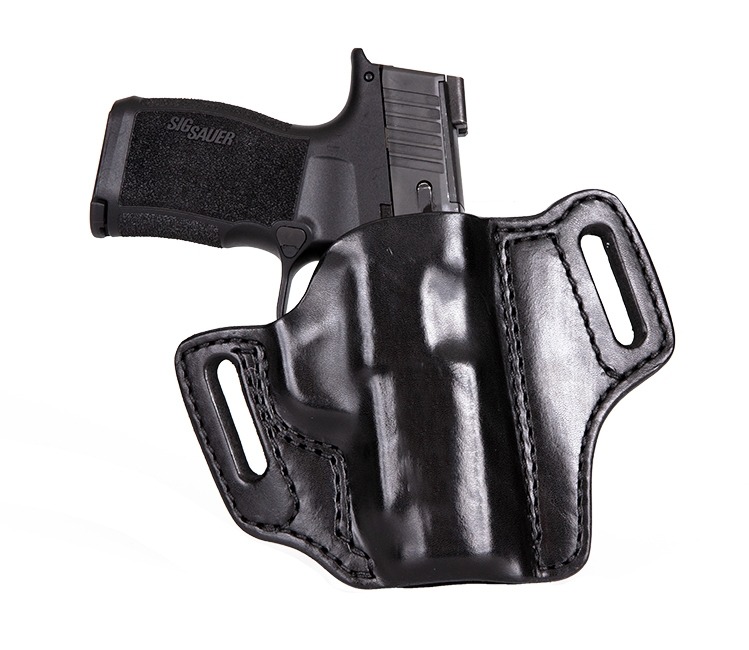
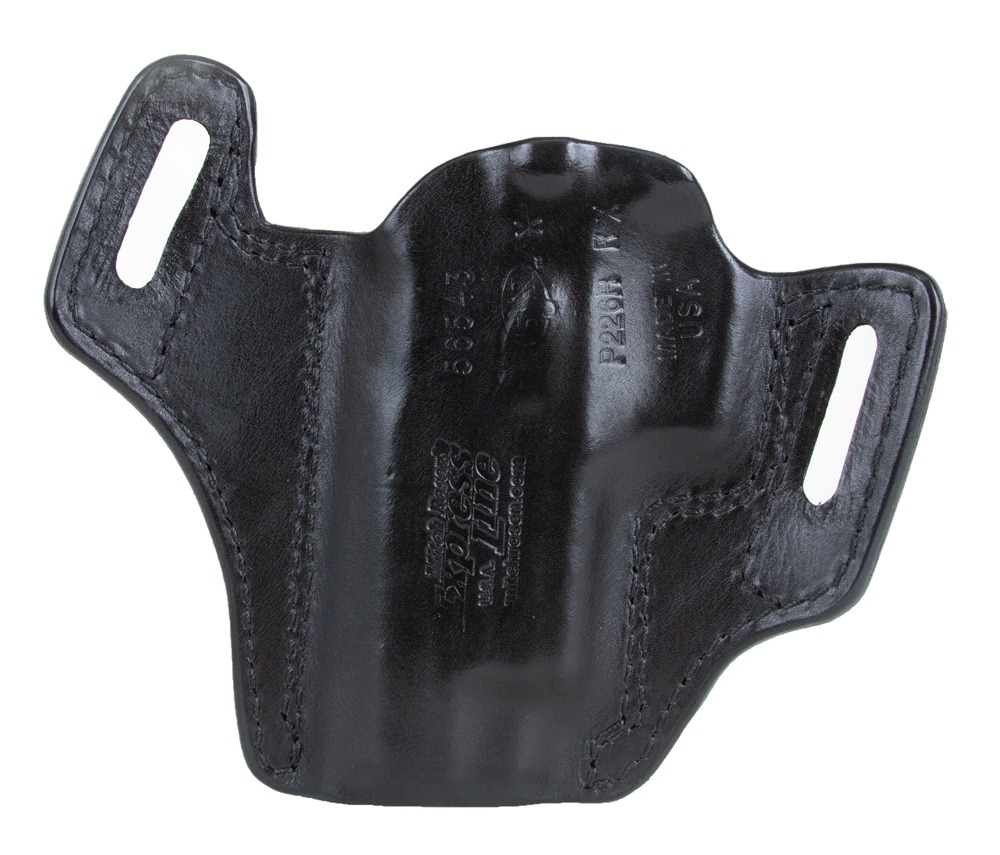
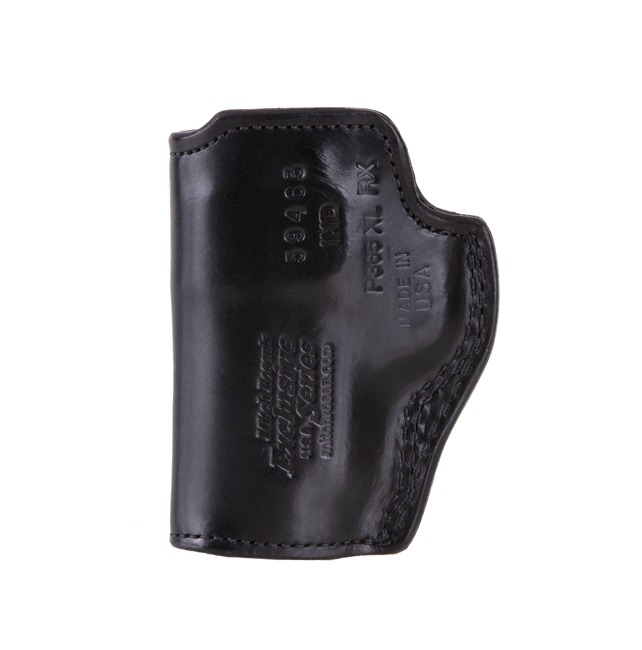
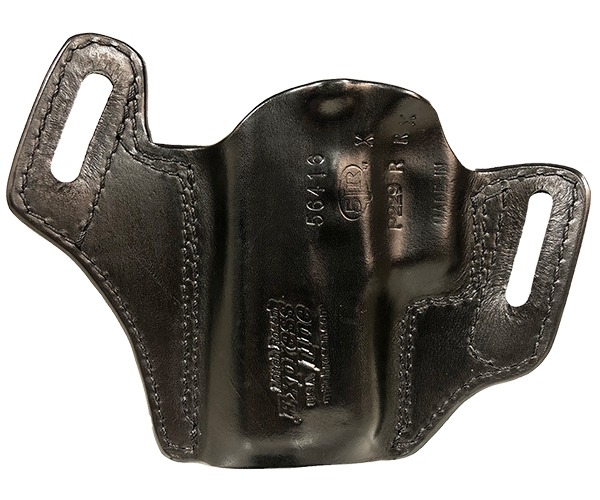
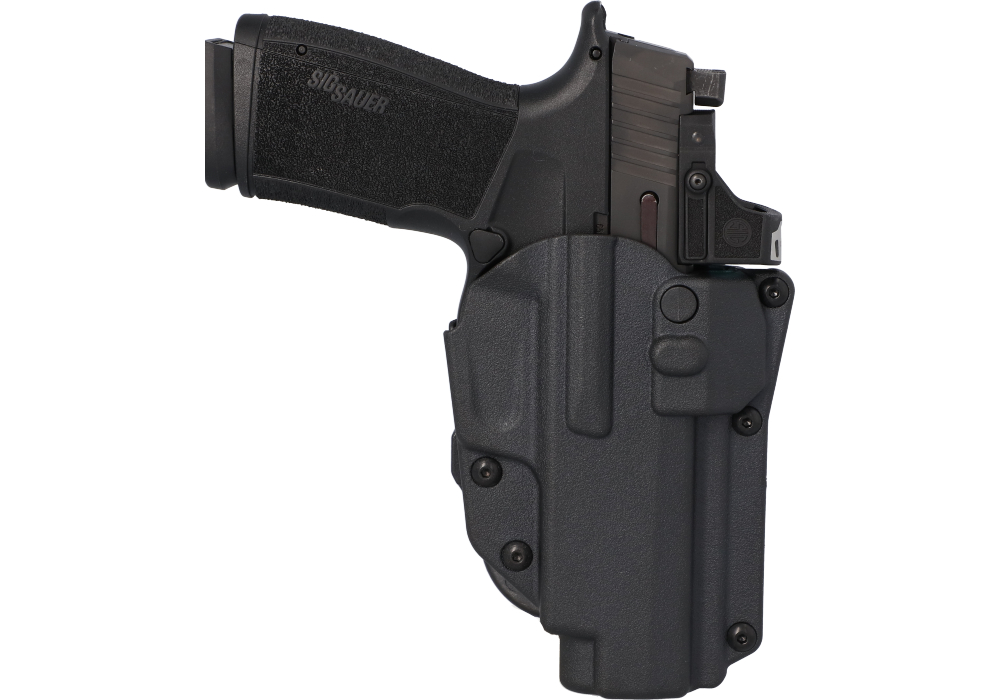
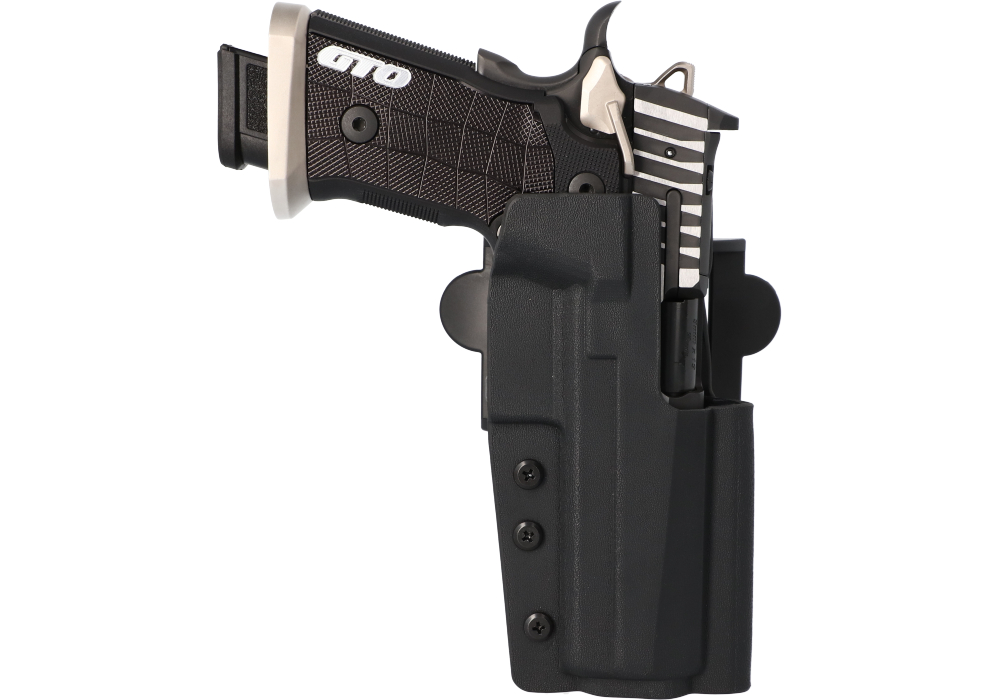
Right hand holsters are designed to position a handgun for a right-handed draw, typically on the strong-side hip with the grip angled toward the wearer’s dominant hand. In a traditional strong-side setup, the holster sits around the 3 to 4 o’clock position, allowing the right hand to move naturally from a relaxed stance to a high, secure grip before the draw. Some right-handed users prefer an appendix position near 1 o’clock, where the holster sits forward of the hip and can provide effective concealment when paired with the right clothing and a compatible firearm. The defining feature is not simply the side of the body where the holster is worn; the molded shell, belt attachment, retention system, and grip orientation must all be shaped for a right-hand draw. Because most holsters are formed specifically around a firearm and handedness, shoppers should select the exact handgun make and model along with the right-hand option during purchase. A precise fit helps keep the firearm stable while walking, sitting, bending, or spending time at the range, and it reduces unwanted movement inside the holster. It is also important to confirm compatibility with the handgun’s slide length, frame dimensions, sight profile, mounted accessories, and whether the firearm uses a standard or extended capacity magazine. When comparing finishes, a subdued option such as Black Holsters can coordinate easily with everyday clothing, range equipment, and seasonal outerwear.
The two most common carry styles are inside the waistband, often called IWB, and outside the waistband, or OWB. IWB right hand holsters place the handgun between the body and the waistband, making them a practical choice for concealed carry when paired with a sturdy belt, a properly sized garment, and a comfortable carry position. A compact profile can help reduce printing beneath a shirt or light jacket, while a concealment claw or wing may rotate the grip inward toward the body for a flatter appearance. Appendix IWB placement can offer a direct draw path and useful concealment beneath an untucked shirt, but comfort depends on body shape, sitting position, holster design, and careful adjustment. Strong-side IWB placement may feel more natural for long periods behind the hip, especially for people who spend much of the day standing or moving. OWB right hand holsters generally provide easier access, a more open draw stroke, and additional room around the handgun, making them popular for range sessions, training, duty-oriented use, outdoor activities, and concealed carry beneath a coat or overshirt during cooler months. Belt loops, paddle attachments, and other mounting systems each create a different balance of stability, ease of removal, and concealment. A purpose-built gun belt is often as important as the holster itself because a soft or narrow belt can allow the holster to shift, tilt, or pull away from the body. Before carrying, users should practice establishing a consistent grip, clearing clothing, releasing any retention device, and drawing in a safe environment with an unloaded firearm, following all applicable laws and range rules.
Retention, cant, ride height, comfort, and access are central considerations when selecting a right hand holster. Passive retention commonly comes from the molded fit around the trigger guard or slide area, while active systems may use a strap, thumb release, or other locking mechanism that must be intentionally disengaged during the draw. Retention should hold the handgun securely during normal movement without making the draw unnecessarily difficult; many designs allow careful adjustment so the user can find a dependable balance. Cant describes the angle of the handgun in relation to the belt. A neutral position keeps the grip more vertical, while a forward or rearward angle can improve concealment or make the draw feel more natural depending on carry location and body type. Ride height affects both access and concealment, with a lower position sometimes offering a cleaner outline and a higher position often improving accessibility. These details are personal, and a setup that feels comfortable during a short walk may feel different after a full day of driving, working, or sitting at a desk. Right hand holsters can be useful for new firearm owners building a consistent carry routine, experienced shooters refining their equipment, range visitors who want a secure way to transport and wear a handgun, and outdoor enthusiasts who need dependable access while moving across uneven ground. They may also be a thoughtful gift for a properly trained firearm owner when the recipient’s exact handgun model, preferred carry style, and right-hand orientation are known. Fit should never be guessed, and a holster should be inspected regularly for cracks, loose hardware, worn attachment points, or changes in retention. With the right combination of firearm compatibility, belt support, carry position, and practice, a right hand holster can become a comfortable, reliable part of a responsible handgun setup.