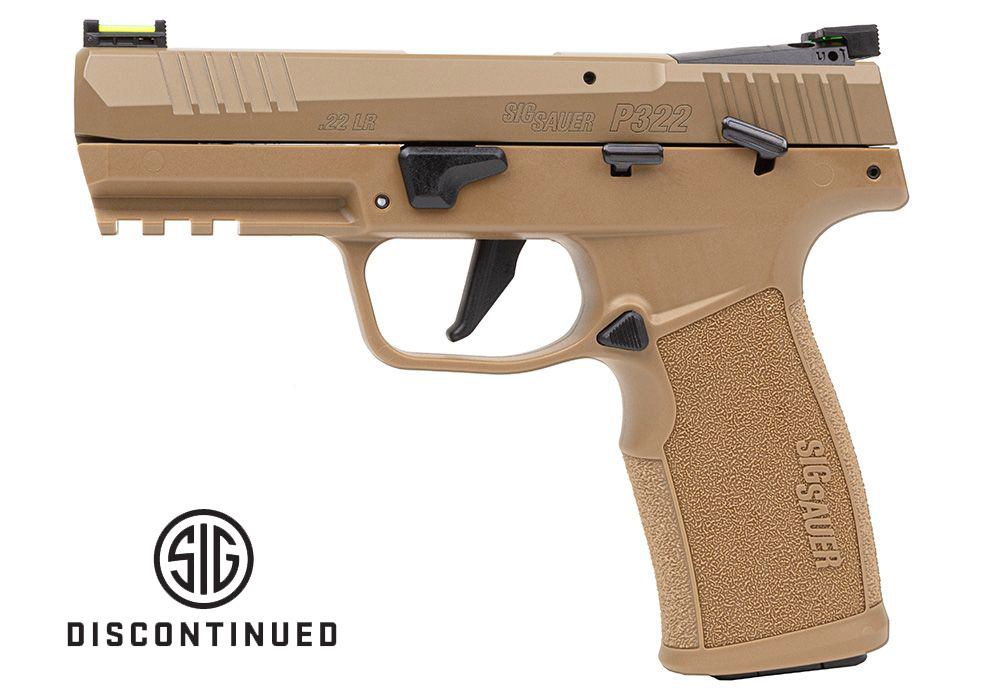
Rimfire training has a way of making practice feel approachable without making it feel casual. A .22 LR pistol produces modest recoil, manageable report, and economical ammunition use, giving new and experienced shooters more opportunities to build sound habits at the range. That combination makes this type of setup useful for learning the fundamentals of grip, stance, sight alignment, trigger control, and safe gun handling, while also giving seasoned shooters a practical way to keep those skills familiar between larger-caliber sessions. The best supporting equipment should make each trip simpler and more consistent. Comfortable eye and ear protection helps shooters stay focused through a full practice session, while clearly visible targets make it easier to recognize small changes in accuracy. A reliable range bag can keep ammunition, magazines, targets, tools, and safety gear together, avoiding the familiar scramble through drawers and closets before heading out. Shooters who train at home with an unloaded firearm should also have a clearly defined practice area, a safe backstop or dry-practice solution appropriate to their environment, and a firm routine for confirming that the firearm and workspace are clear before handling begins. During warmer weather, outdoor ranges offer room to work through deliberate drills and enjoy longer sessions in open air; as the cooler months arrive, indoor facilities and organized equipment become especially valuable. In either setting, thoughtful preparation helps keep attention on smooth, repeatable movement rather than on finding misplaced gear.
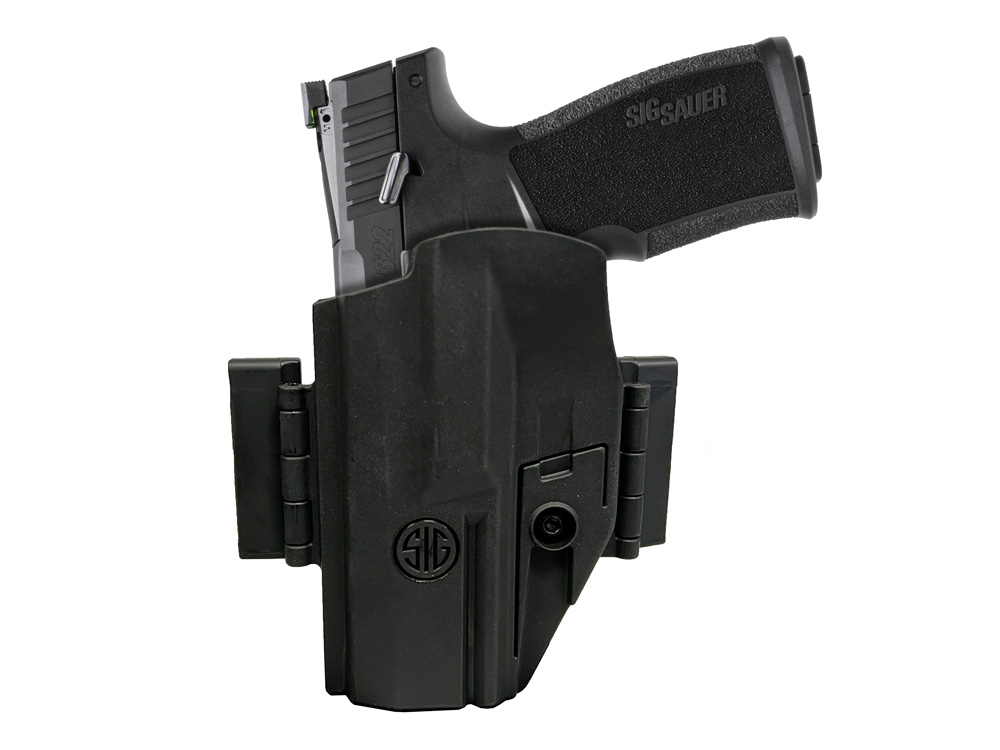
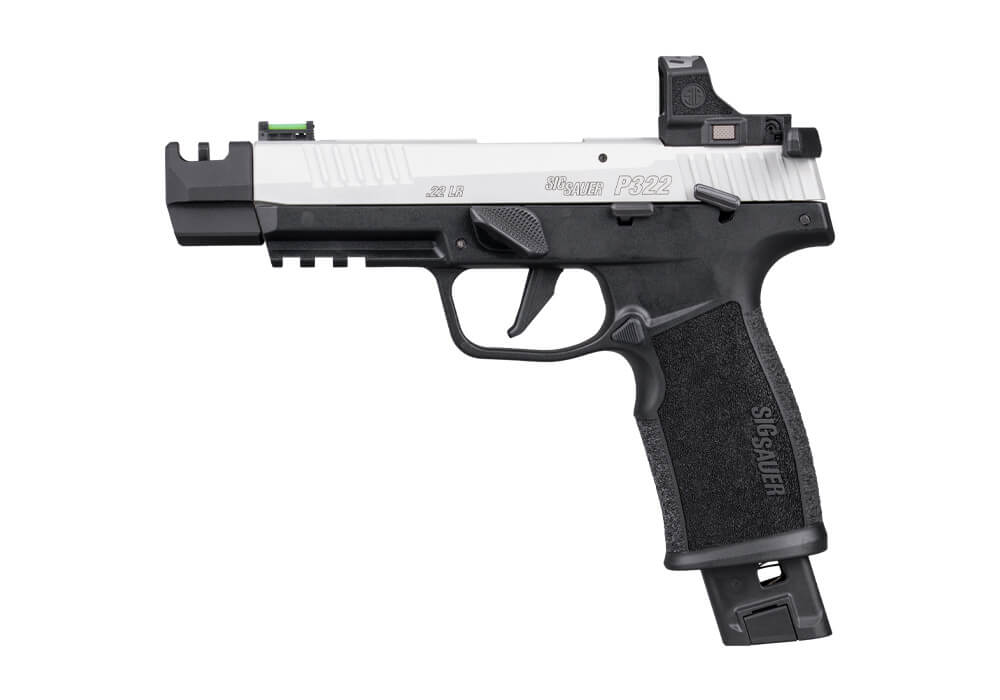
When choosing equipment for rimfire pistol training, comfort and compatibility matter as much as appearance. Eye protection should provide a clear, distortion-free view and fit securely without creating pressure behind the ears. Hearing protection should be comfortable enough to wear from the first round to the last, since equipment that pinches or shifts can become a distraction. Magazine pouches, range organizers, and storage solutions should hold the items securely while allowing quick access at the bench. Shooters may also consider standard or extended-capacity magazines based on their training goals, local rules, and the way they prefer to structure practice, always confirming that any accessory is designed for the specific firearm model. A well-fitting holster can support safe handling during approved range exercises, but it should be selected only after checking retention, material, carry position, and compatibility. Cleaning and maintenance supplies are equally important for a rimfire platform, since regular inspection and appropriate cleaning help preserve dependable function. New owners often appreciate a straightforward setup that removes unnecessary complexity: a few reliable magazines, a secure case, basic maintenance tools, clearly marked targets, and protective gear that feels natural to wear. More experienced shooters may build a dedicated training kit around timed drills, reload practice, sight confirmation, or structured practice plans. Accessories from the broader Equipment for 22LR Pistol Owners collection can help organize those needs, especially for anyone assembling a complete range setup rather than purchasing one item at a time.
Rimfire training equipment can also be a thoughtful gift for a responsible adult who enjoys recreational shooting, participates in organized training, or is preparing to become a more confident range partner. Protective gear, targets, storage cases, cleaning accessories, and range bags are often useful gifts because they support the activity without requiring the giver to choose a firearm or make assumptions about fit and personal preference. For a newer shooter, a carefully selected package of practical essentials can feel welcoming: comfortable protection, easy-to-see targets, a secure way to transport equipment, and a simple method for keeping magazines and small tools organized. For a family member or friend who already owns a compatible rimfire pistol, checking model specifications before purchasing accessories is essential, and all firearm purchases or transfers should follow applicable laws and retailer requirements. Training is most productive when it is approached with patience. A quiet session spent confirming grip pressure and trigger movement can be more valuable than rushing through a large quantity of ammunition, and a few minutes spent reviewing safe loading, unloading, and storage procedures can reinforce confidence well beyond the range. Keep firearms secured from unauthorized access, transport them according to range and legal requirements, and follow the instructions supplied with every piece of equipment. Whether practice takes place beneath bright late-summer skies or under the muted light of a cooler-season range day, dependable accessories help create a calm, organized rhythm: unpack carefully, confirm a safe setup, work through fundamentals, inspect equipment, and store everything responsibly when the session is complete.