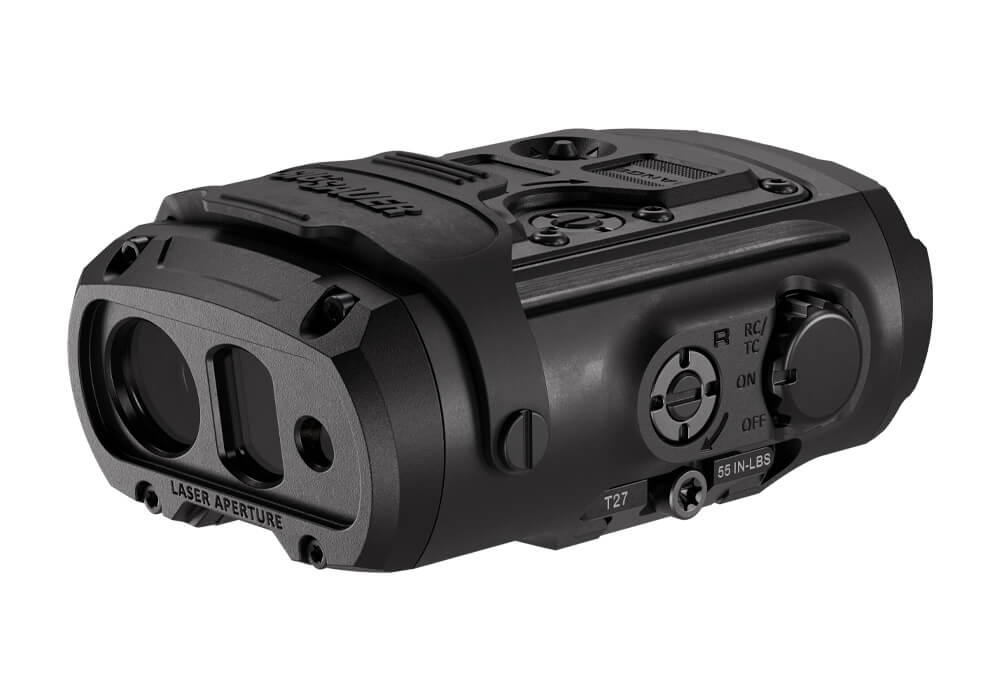
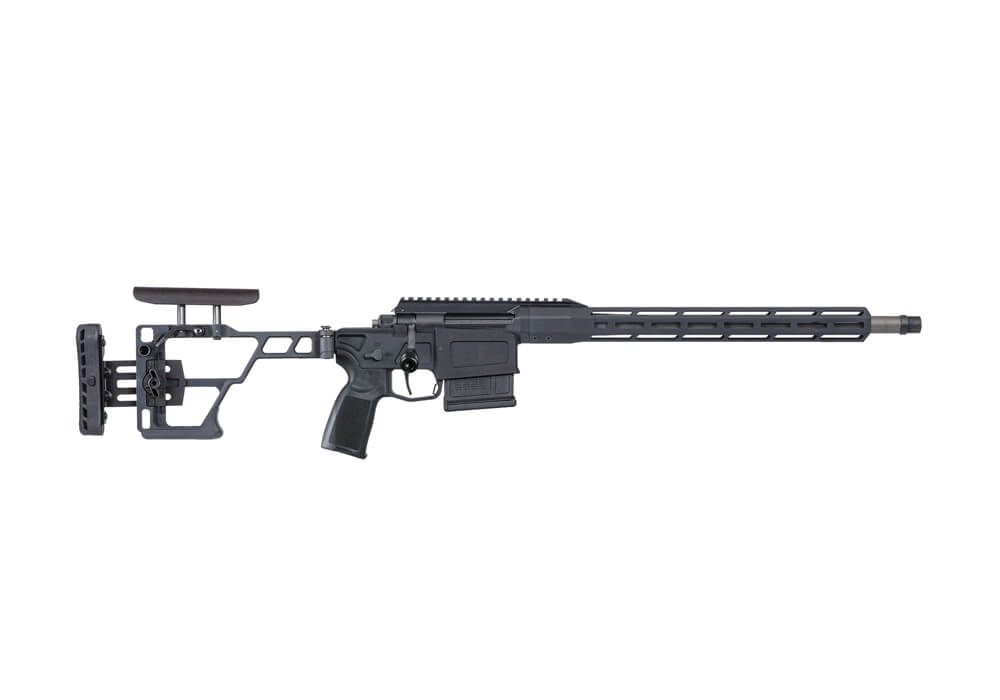
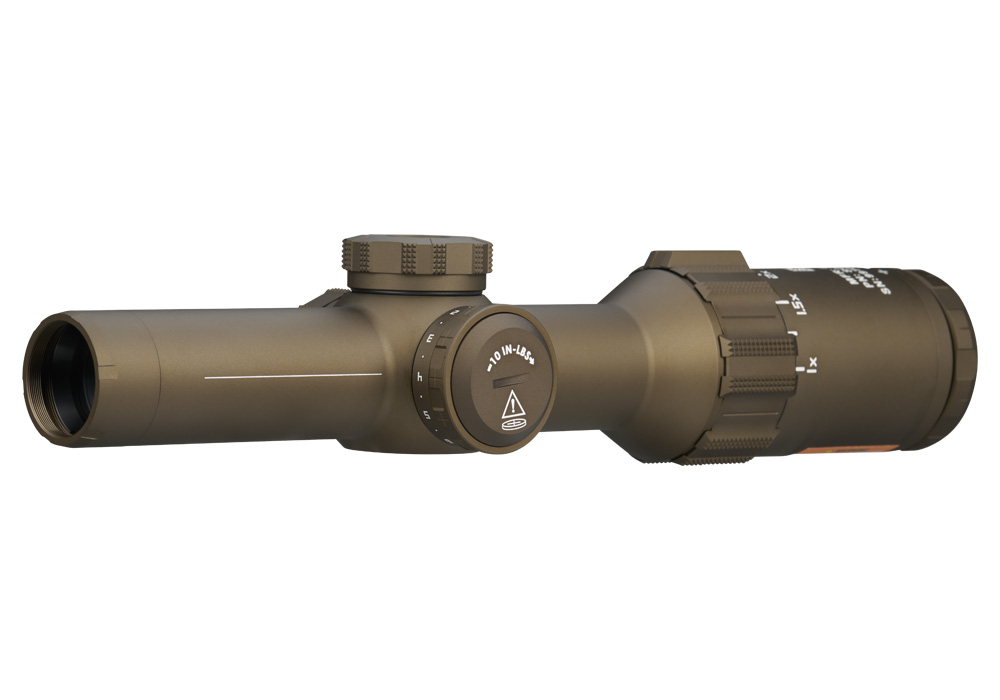
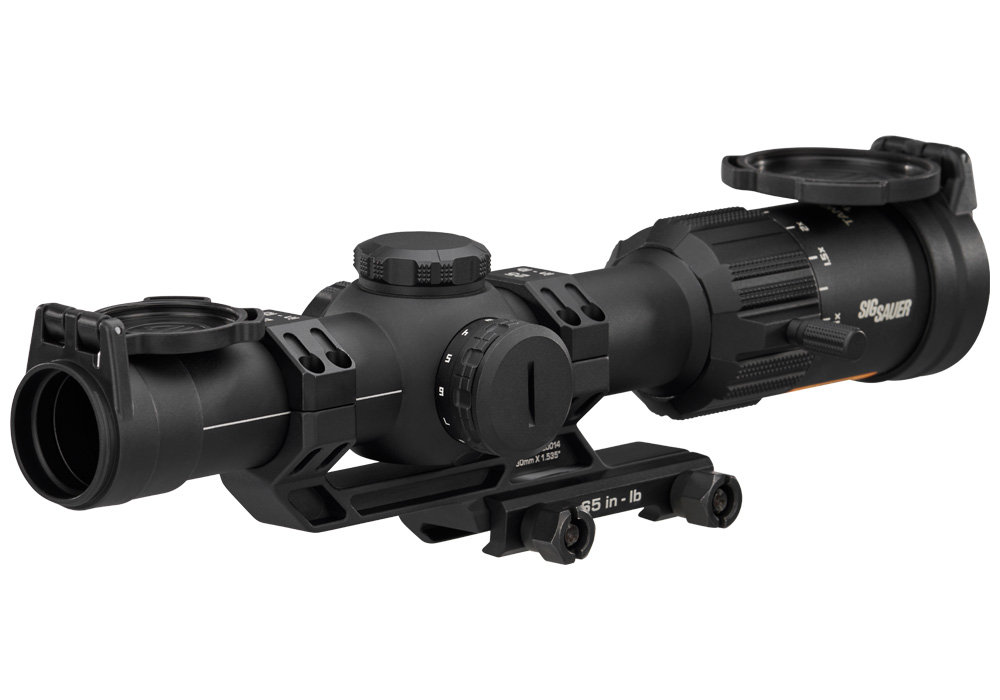
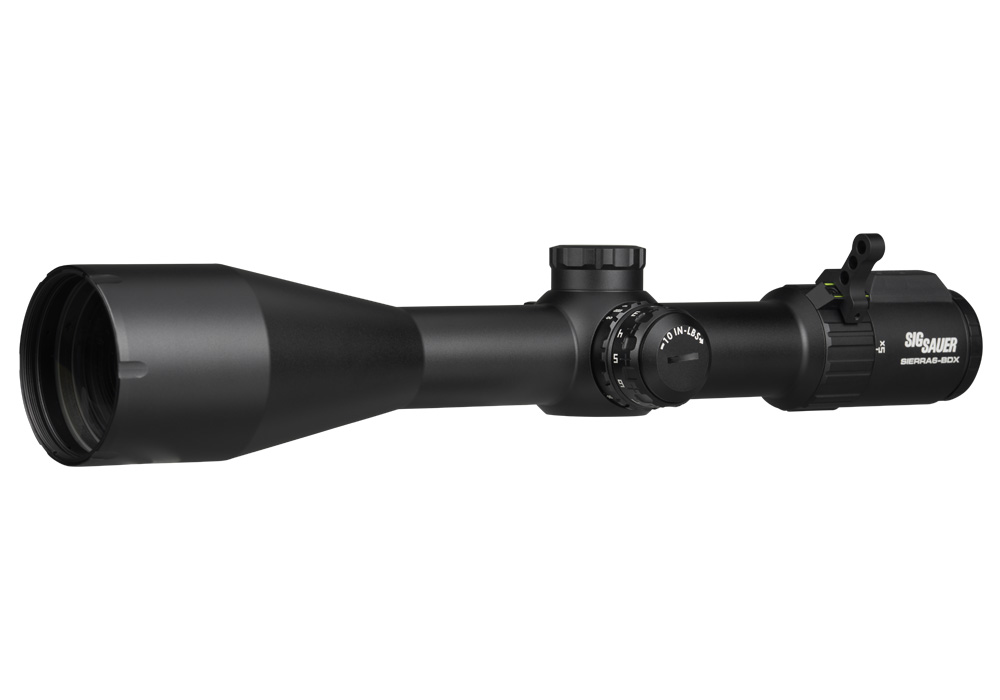
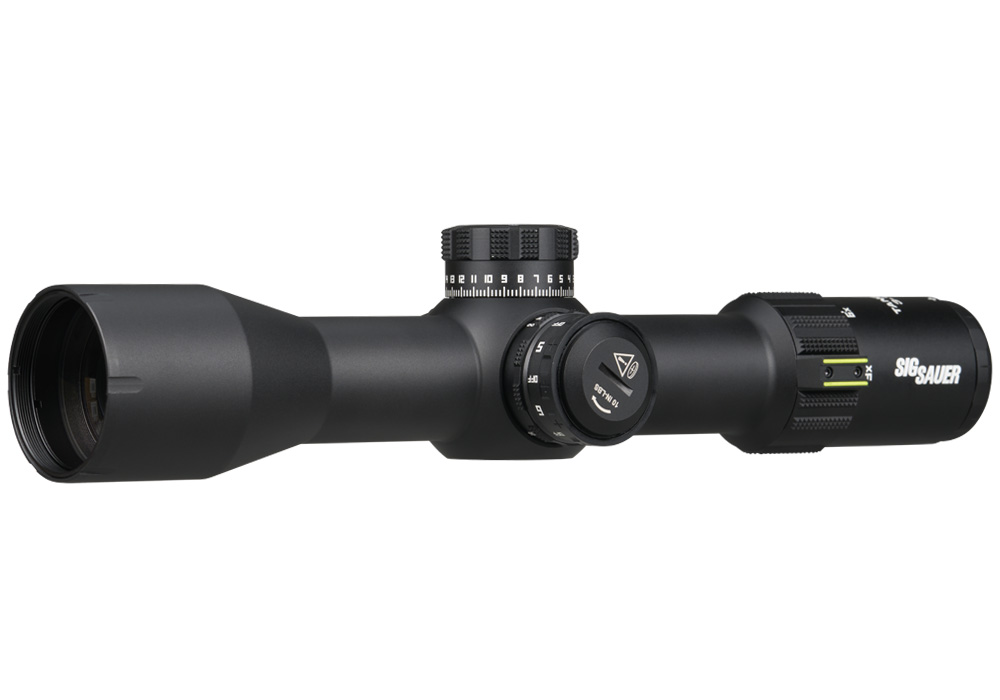
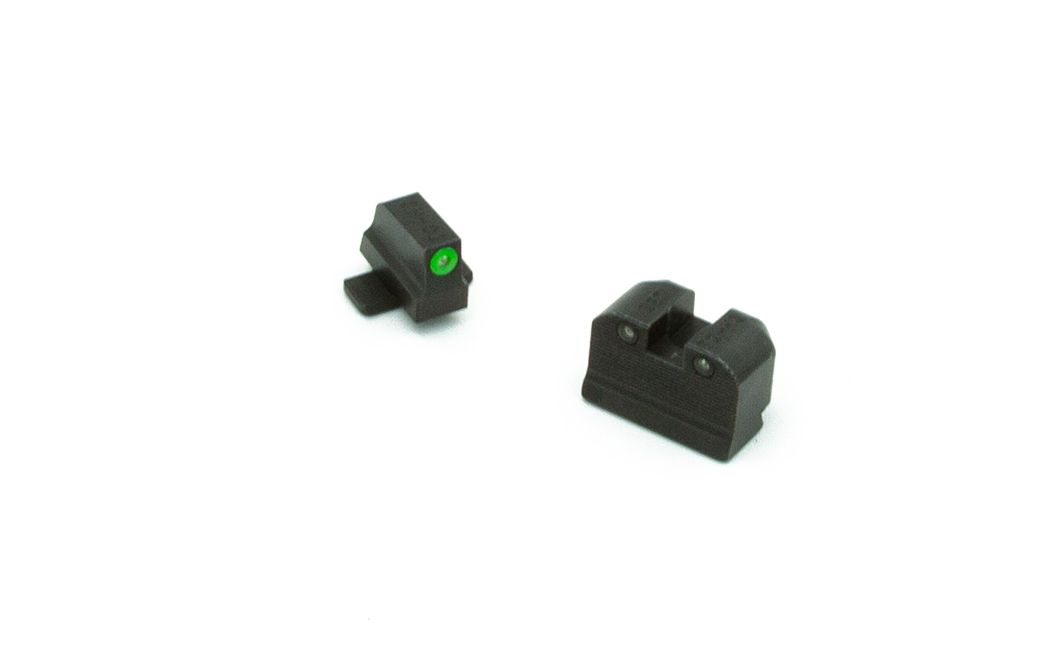
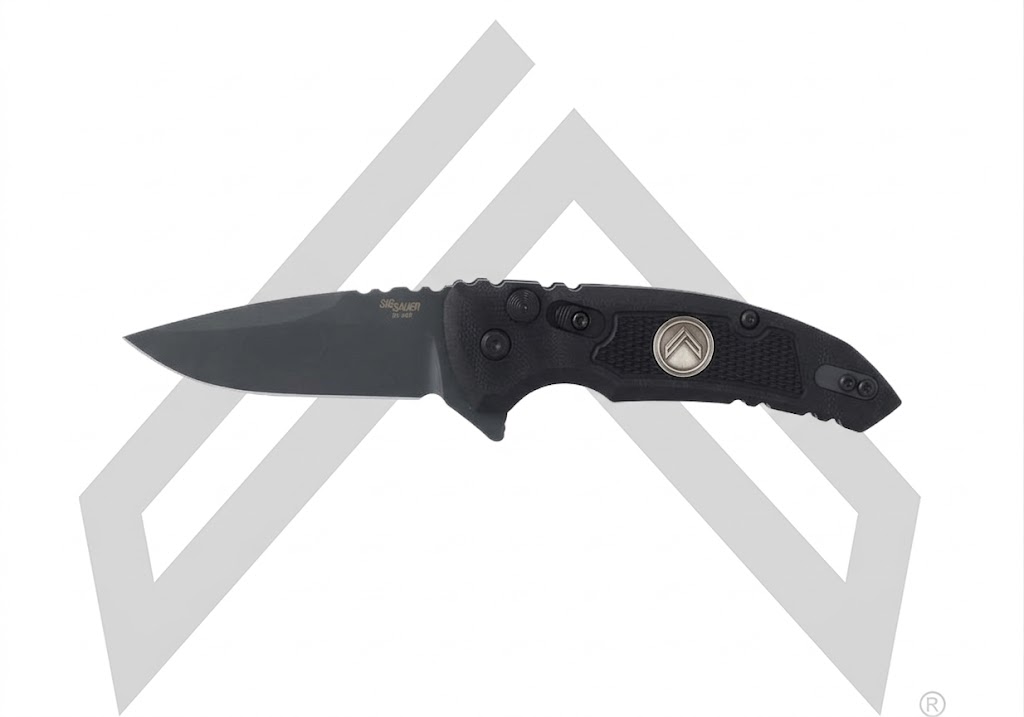
Sniper tools encompass equipment and accessories for precision-rifle care, inspection, and support, with an emphasis on compatibility, dependable construction, and organized handling. In a shooting-equipment collection, the term refers to physical tools associated with rifles and their supporting equipment, rather than computer screen-capture software. These tools serve a practical purpose for responsible rifle owners, recreational target shooters, competitors, armorers, and professional users who need to keep equipment clean, protected, and ready for its intended use. The strongest foundation for choosing them is the equipment already in hand: its dimensions, interfaces, finish, and manufacturer’s maintenance requirements. A tool that looks suitable in a photograph may still have the wrong profile for a recessed fastener or insufficient clearance around an attached accessory. Clear specifications matter more than an aggressive appearance or a long feature list. For an owner who works at a dedicated bench, comfortable handling and an orderly layout may take priority; someone carrying a small maintenance kit to an established range may value compact storage and components that stay securely contained. Neither approach requires collecting every possible accessory. A focused assortment that suits the rifle and its approved maintenance needs can be more useful than a crowded case of mismatched pieces. Precision-rifle equipment also benefits from consistency in the ordinary details: readable markings, protective storage, accessible contact surfaces, and a place for small components that would otherwise disappear against a busy workbench. Those details help distinguish purpose-built equipment from general household tools without suggesting that specialized gear replaces training or sound judgment. For shoppers comparing sniper tools, the most relevant considerations are usually what the tool fits, what materials it contacts, how it is maintained, and whether its intended role matches the owner’s experience. Responsible use belongs in the same decision, including secure firearm storage, adherence to range rules, and maintenance performed only under the conditions specified by the firearm manufacturer.
Materials and construction influence how tools feel in the hand and how well they hold up to repeated use. Hardened steel can provide wear resistance at working surfaces, while aluminum can reduce weight in housings and supporting structures. Polymers and other nonmarring materials have a different role, helping separate delicate finishes from harder contact surfaces where the tool’s design calls for it. No material is automatically best for every task; the quality of its application matters as much as its name. A smooth edge, well-fitted joint, or clearly defined contact surface can be more meaningful than a broad claim about ruggedness. The same is true of protective finishes, which should be evaluated alongside the underlying material and the care requirements supplied by the manufacturer. Residue and grit can collect in seams or storage compartments, so accessible surfaces and a case that is easy to keep clean offer practical benefits over time. Chemicals used for firearm care are not universally compatible with every coating, plastic, adhesive, or optical surface. Manufacturer-approved cleaning methods help protect both the tool and the equipment around it, and separate storage for cleaning supplies can limit unwanted contact with other components. Fit deserves equally close attention. Similar-looking interfaces are not necessarily interchangeable, and a tool should never need to be forced into a connection it was not designed to engage. Published dimensions, supported interfaces, and any stated limitations provide a better basis for selection than visual resemblance alone. Where a task involves specified settings or adjustments, the relevant equipment instructions remain the authority; ownership of a specialized tool is not a substitute for qualified service. Shoppers interested in a related selection can explore Custom Rifle Tools while comparing compatibility with their existing equipment. Across either collection, useful construction details include markings that remain legible through normal handling, secure component retention, and protective contact areas suited to the stated application. Durability is not simply resistance to visible wear. It also means retaining the fit, readability, and dependable handling that justified choosing the tool in the first place.
Daily ownership often reveals the value of good organization more clearly than a list of technical features. Picture a rifle owner returning from a supervised range session with a case, protective equipment, and a small collection of maintenance supplies. A dedicated compartment for each tool makes it easier to see what needs attention and what belongs back in storage. At a home workbench, a stable, uncluttered surface and clearly separated supplies create a more manageable setting for manufacturer-approved care, with the firearm unloaded and ammunition kept away from the maintenance area. Equipment chosen for that setting does not necessarily need the same portability as something intended to travel frequently. Conversely, a compact kit is only convenient if its contents remain accessible and its storage arrangement protects working surfaces during transport. Handles should feel secure without requiring an awkward grip, closures should be straightforward to operate, and labels should be easy to read without unpacking everything. These are modest features, but they affect the experience every time the equipment is used. For newer rifle owners, clearly documented compatibility and understandable care instructions can be especially valuable. Experienced users may place more weight on replacing a worn component, reducing duplication, or bringing consistency to equipment used across several approved maintenance tasks. As a gift, rifle-care tools are most appropriate when the recipient’s equipment and preferences are known. A thoughtful choice respects existing routines rather than assuming that a more complicated assortment is automatically an improvement. Checking the required fit before choosing a gift helps avoid an accessory that looks impressive but has no practical role. Long-term ownership also calls for periodic inspection of tools themselves, including their contact surfaces, markings, and storage components. Excessive wear or uncertain condition is a reason to consult the manufacturer rather than continue relying on appearance alone. The lasting appeal of well-chosen sniper tools lies in this practical relationship between equipment and owner: appropriate fit, manageable care, orderly storage, and construction suited to repeated, responsible use. Those qualities give a collection relevance beyond its name and help shoppers recognize equipment that belongs in their routine.