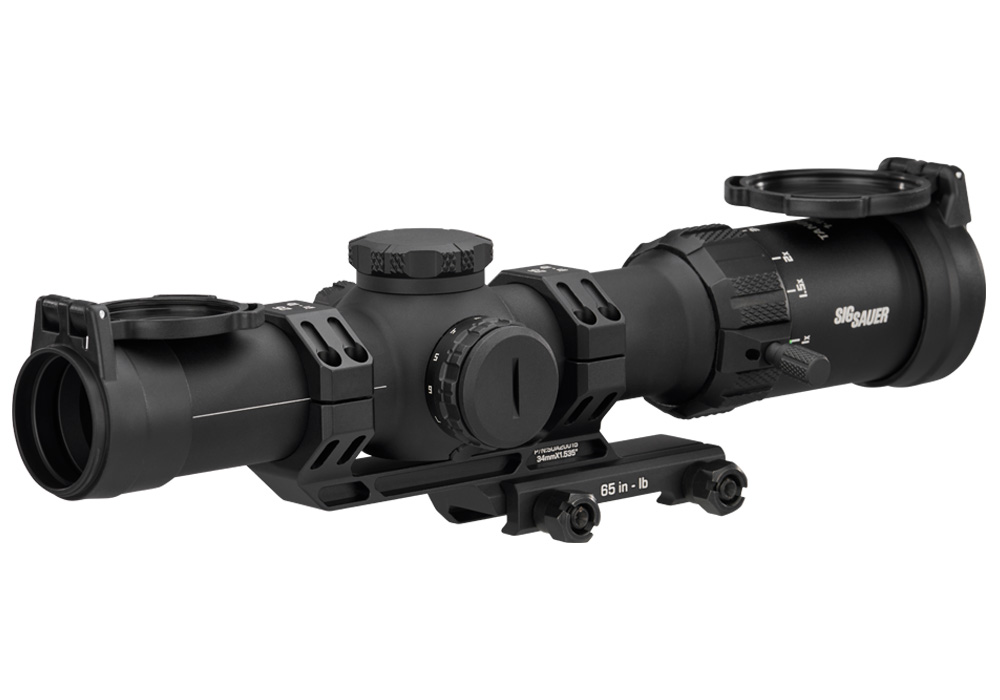
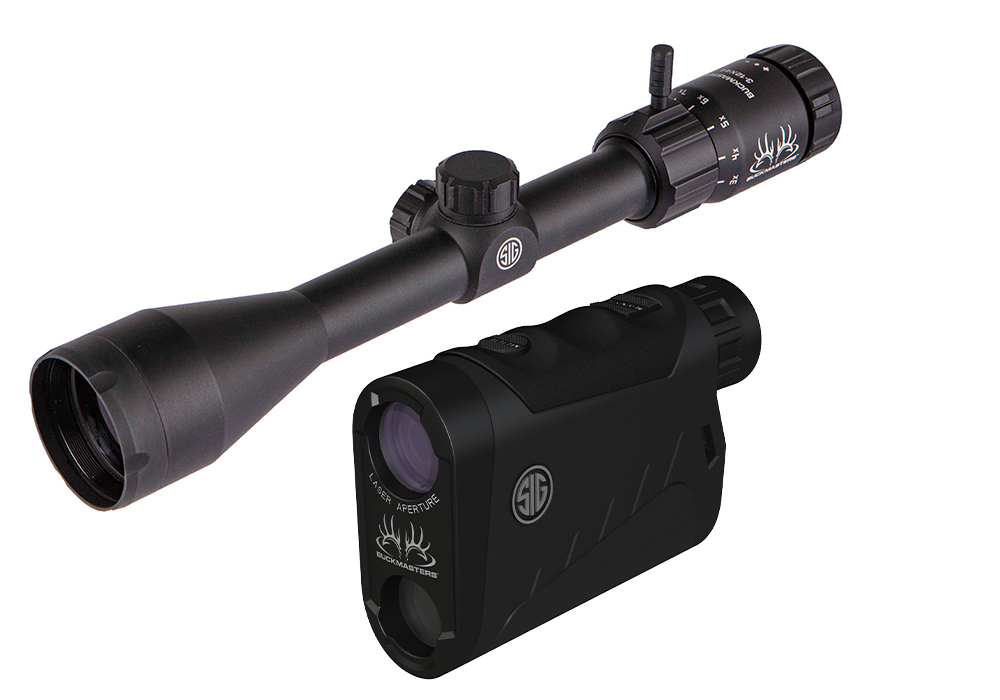
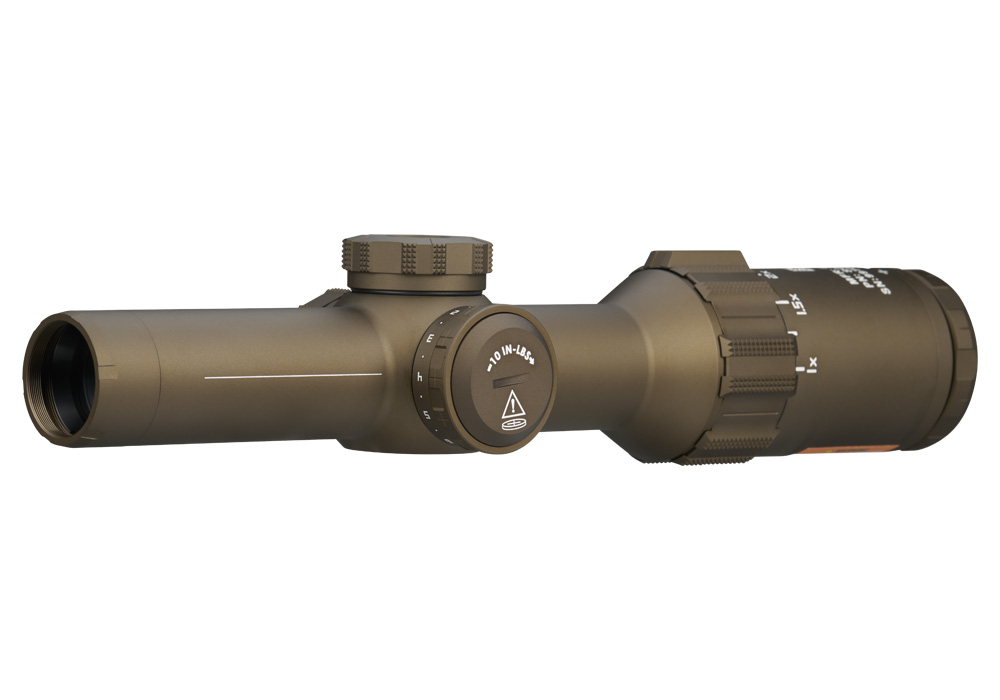
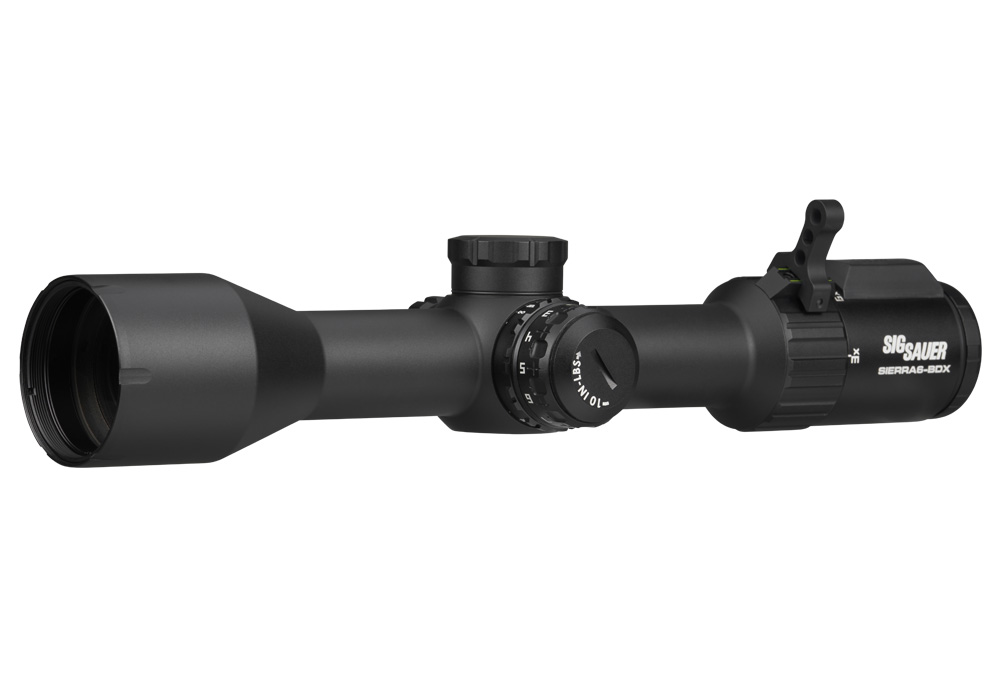
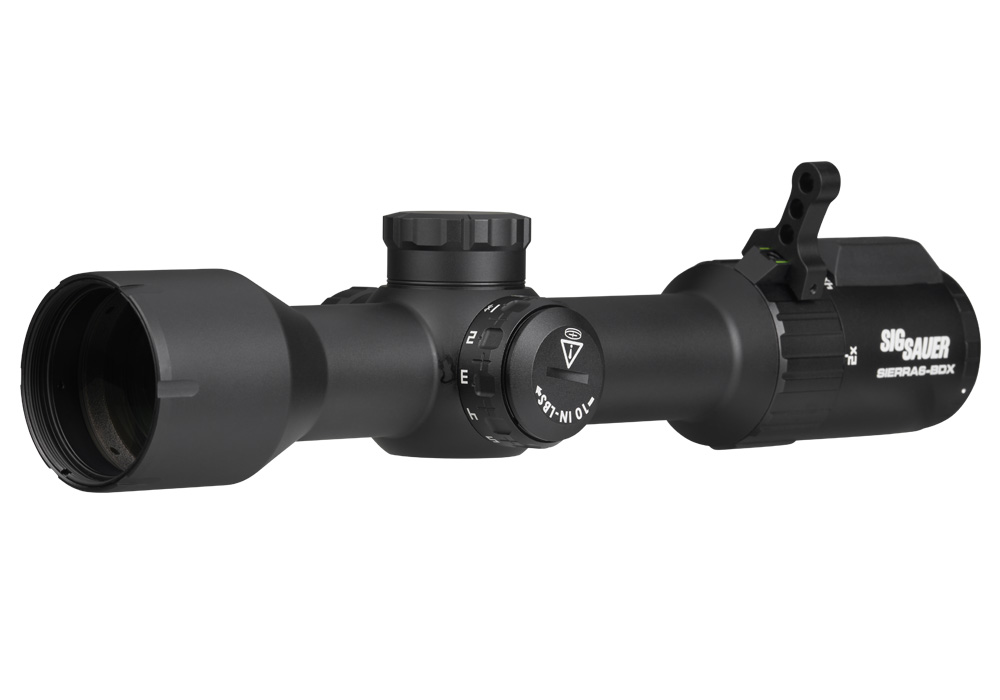
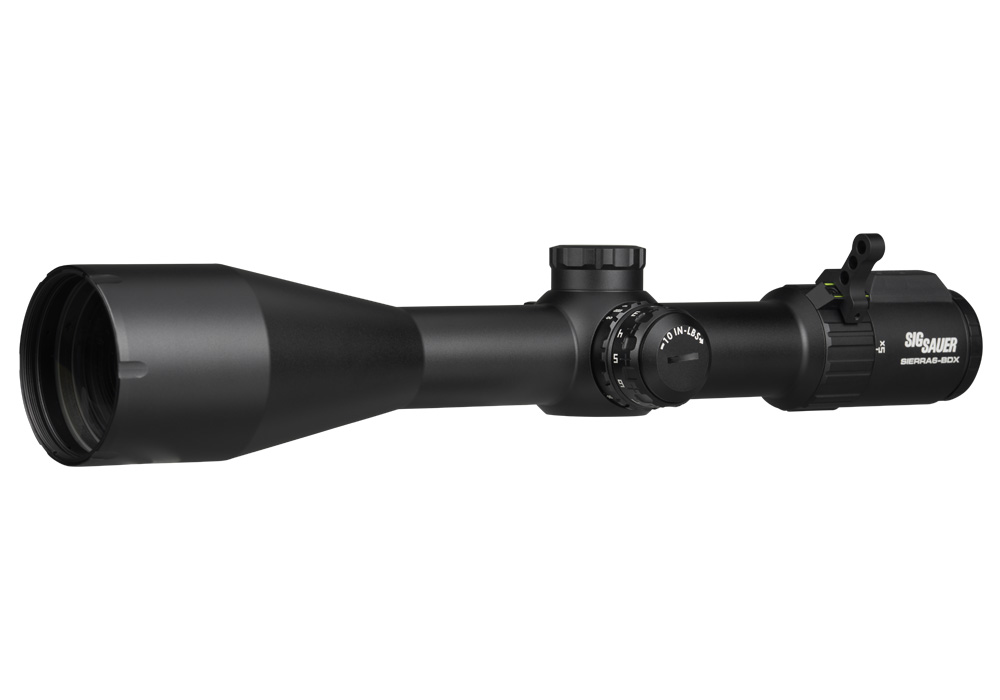
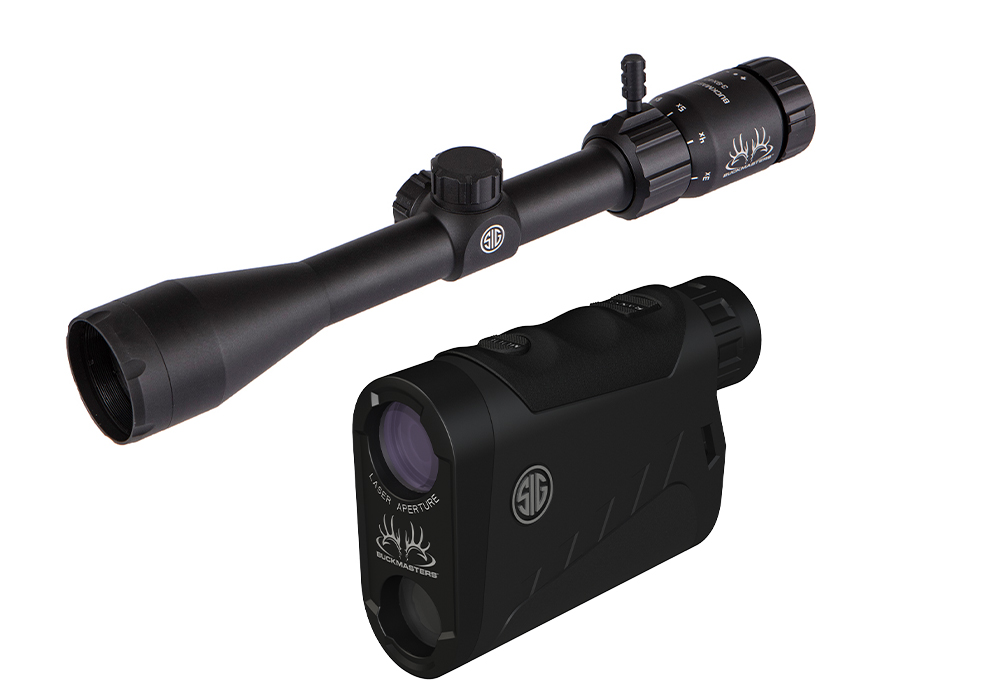
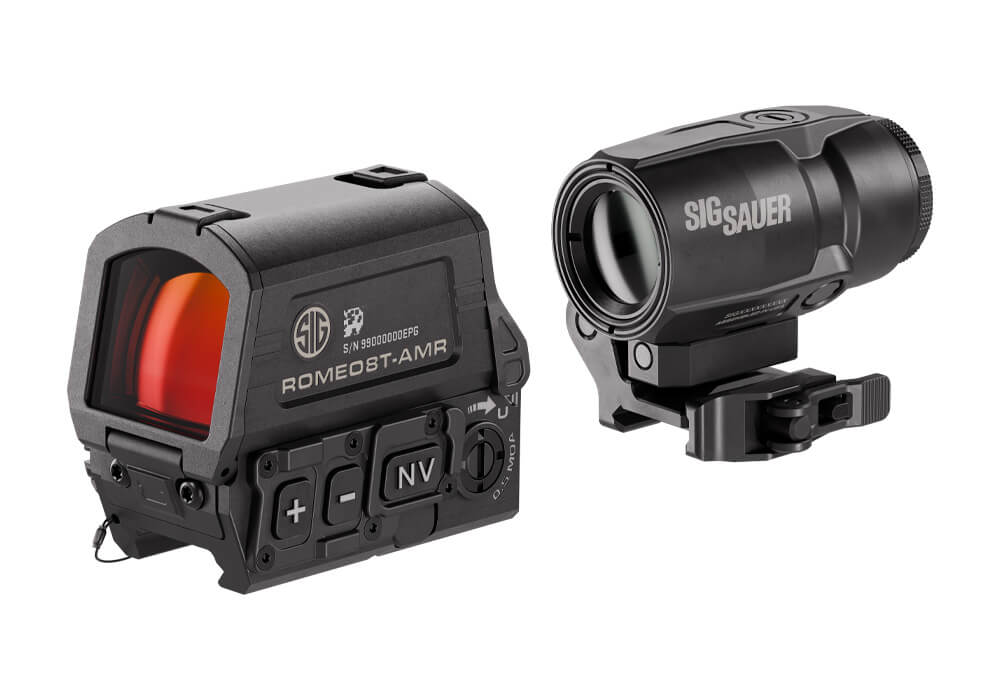
Variable power scopes give a rifle a useful degree of flexibility by combining an adjustable magnification range with a single sighting system. Instead of being limited to one fixed level of magnification, the shooter can move from a broader field of view at lower power to a more detailed view at higher power as distance and conditions change. Common configurations include low power variable optics, often beginning near 1x and extending to 6x, 8x, or 10x; medium power variable optics that may start around 2x or 3x and reach 12x or more; and high power variable optics designed for precise work at extended ranges. A lower setting can make it easier to locate a moving target, track game through timber, or maintain awareness around a shooting position, while increased magnification can help with careful shot placement across an open field or on a paper target. That range is what makes variable power scopes appealing to hunters, recreational shooters, competition participants, and rifle owners who want one optic to cover several practical distances. During the warmer seasons, a hunter may move from shaded woods into bright, open terrain over the course of a single outing, while cooler months can bring longer sightlines, changing light, and heavier clothing that makes a stable shooting position especially important. A variable optic helps accommodate those transitions without requiring a different rifle for every setting. Shoppers comparing options in this category can browse New Scopes for additional scope selections and current features. As with any firearm accessory, confirm that ownership, transport, and use comply with applicable laws and regulations, and select an optic that matches the rifle, ammunition, and intended range rather than choosing magnification by maximum number alone.
The most suitable variable power scope depends on how the rifle will be used and how often the shooter expects to change distances. A low power variable optic can be a practical choice for close-to-mid-range applications where speed, a generous field of view, and both-eyes-open shooting are useful. At its lowest setting, a true or nearly true 1x optic can feel similar to a non-magnified sight, while the upper range adds useful detail for targets farther away. Medium power variable optics offer a balanced option for general hunting, range work, and mixed terrain. They provide enough magnification for identifying a precise aiming point at moderate distances without becoming as large or specialized as an optic built primarily for extreme range. High power variable optics are generally intended for shooters who spend more time making deliberate shots at distant targets, where fine aiming, repeatable adjustments, and a stable support system matter. Magnification is only one part of the decision. Consider the scope’s objective size, overall length and weight, adjustment range, turret style, eye relief, field of view, and ability to remain clear in changing light. Eye relief deserves special attention because it affects comfort and helps position the scope safely behind a recoiling rifle. A scope that looks impressive on a display may be less practical if it sits too high, upsets the rifle’s balance, or forces an awkward cheek weld. Reticle design also shapes the experience. A first focal plane, or FFP, reticle changes size with magnification, allowing holdover references to remain proportionate throughout the scope’s range. This can be useful when a shooter relies on elevation or windage marks at different power settings. A second focal plane, or SFP, reticle remains the same apparent size as magnification changes. Many shooters appreciate its uncluttered appearance and consistent visibility, though marked holdovers are typically calibrated for a particular magnification. Illuminated reticles, if included, can improve contrast against dark backgrounds or in subdued light, but illumination should support a clear reticle rather than replace sound glass quality and proper target identification.
Variable power scopes can also be a thoughtful gift for a responsible rifle owner, especially when the recipient is preparing for a hunting season, building a precision-oriented range setup, or replacing an older optic. The best gift is usually based on the rifle and the person’s habits rather than on the largest magnification range available. Before selecting one, note the firearm’s mounting footprint, rail or base configuration, caliber, expected recoil, and the distances where it will be used. A compact hunting rifle may call for a lighter scope with moderate magnification, while a heavier target rifle may accommodate a larger optic with more adjustment range. Compatibility with mounting rings or a one-piece mount is essential, and the scope should be installed with the correct torque and alignment rather than tightened by feel. After mounting, the shooter should confirm eye relief from a natural position, level the reticle, bore-sight when appropriate, and zero the rifle with the ammunition intended for regular use. Practice should include moving between magnification settings, working the adjustments, and confirming how the reticle appears against bright, shaded, and low-contrast backgrounds. Even an experienced shooter benefits from learning the feel of a new optic before relying on it in the field; a quiet afternoon at the range can reveal more than a quick look through the glass at a store. Keep lenses protected with suitable covers, use a clean lens cloth instead of a shirt sleeve, and store the scope in a dry, secure place when it is not mounted. Whether the goal is a well-planned hunt during the cooler months, steady progress at the range, or a versatile rifle setup that adapts from wooded trails to open ground, the right variable power scope should offer clear viewing, dependable adjustments, comfortable handling, and a magnification range that reflects real use.