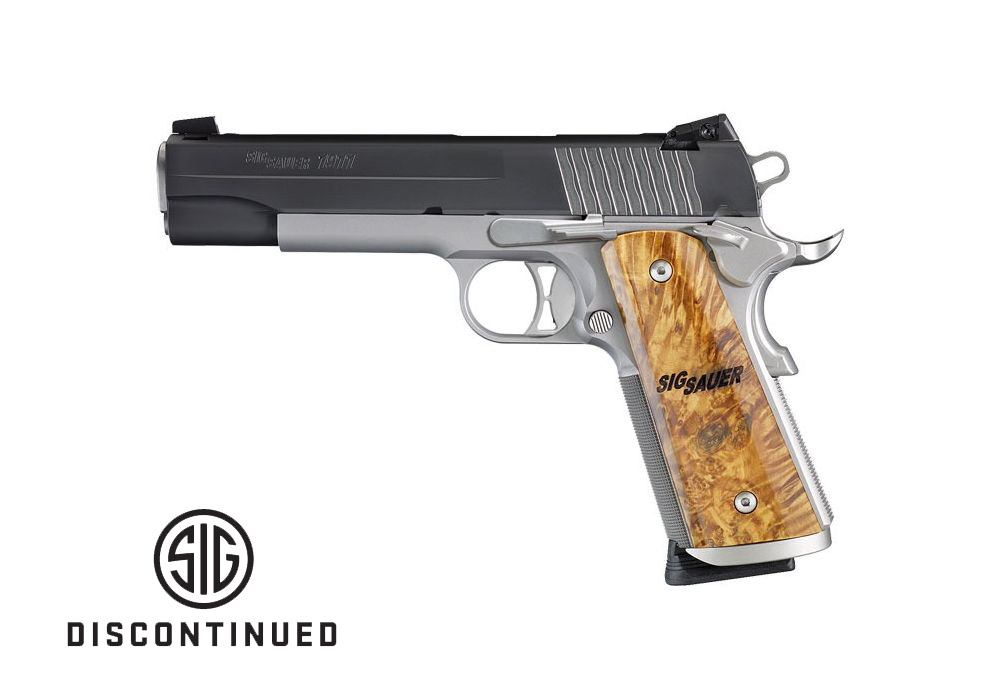
1911 pistol repair solutions help owners address routine wear, refresh aging components, and keep a trusted handgun operating with the fit and feel expected from this classic platform. Recommended repair parts may include recoil springs, firing pins, extractors, ejectors, barrel bushings, pins, grip screws, safeties, magazine components, and other small replacement pieces that can wear gradually through firing, handling, and storage. The right choice begins with careful identification of the pistol’s configuration. Government-size, Commander-size, and compact 1911 pistols can use different dimensions, spring lengths, bushings, and internal components, even when they share the same general appearance. Caliber, series designation, frame and slide specifications, and any previous customization should be confirmed before ordering. Owners of shorter pistols should review 1911 Compact Parts for components intended for that configuration rather than assuming a standard-size part will fit. A reliable replacement should match the pistol’s design and intended use, whether the goal is restoring a well-used range pistol, maintaining a defensive sidearm, or preserving a family firearm that has spent years in a drawer or safe. For many owners, repair work starts with familiar symptoms: a slide that feels unusually sluggish, a magazine that does not seat cleanly, inconsistent extraction, a loose grip panel, or a trigger that no longer feels as crisp as it once did. These signs can point to worn springs, damaged or improperly fitted parts, accumulated fouling, or a combination of normal use and age. Parts selected for a 1911 repair should be evaluated for proper dimensions, intended compatibility, material quality, and installation requirements rather than chosen solely by appearance or price.
A well-rounded selection of 1911 pistol repair solutions can also include the tools that make careful maintenance more controlled. A bushing wrench can help prevent marring around the barrel bushing, while properly sized pin punches and a stable bench block support pins during disassembly and reassembly. Small flathead screwdrivers with correctly matched tips are useful for grip screws and other fasteners, and a clean, well-lit work surface makes it easier to notice a displaced spring, damaged edge, or tiny retaining pin before it becomes a problem. A padded tray or parts mat is especially helpful because 1911 components are compact, and a spring that slips from the bench can disappear into carpet or under a work cabinet in an instant. Lubrication supplies are another practical consideration. A 1911 generally benefits from appropriate lubrication at the frame rails, barrel, bushing, and other manufacturer-specified contact points, while excess oil can collect dust and residue or migrate where it is not wanted. Clean first, apply lubricant sparingly, and follow the firearm maker’s maintenance instructions. Replacement recoil springs deserve particular attention because spring tension changes with use and can affect cycling, feeding, and the amount of impact transferred through the pistol during operation. Magazine springs, followers, and feed lips may also influence reliable feeding, so a malfunction should not automatically be blamed on the slide or barrel. Observing when a problem occurs—during feeding, firing, extraction, or ejection—can help an owner describe the issue accurately to a qualified professional. When a part requires fitting, stoning, filing, heat treatment, or changes to a safety or fire-control component, professional installation is the prudent choice. A 1911’s tightly fitted parts work together as a system, and an alteration that appears minor can affect safe operation, reliability, or function.
These repair solutions serve a broad range of responsible 1911 owners, from experienced enthusiasts who maintain their own pistols to first-time owners assembling a basic maintenance kit. A compact set of correctly sized punches, a bench block, a bushing wrench, and suitable cleaning and lubrication supplies can make a thoughtful gift for someone who enjoys organized range days or takes pride in maintaining a well-worn pistol. It is also a useful addition to a household range bag, especially when cooler weather encourages more time at an indoor range or at a carefully maintained outdoor setup. Before beginning any inspection or repair, remove all ammunition from the work area, unload the firearm completely, and verify the chamber and magazine well according to the manufacturer’s safety instructions. Ammunition should remain stored separately while parts are being handled. If the pistol has been dropped, shows cracked or peened components, exhibits an unsafe trigger condition, fails to remain in battery, or continues to malfunction after basic cleaning and inspection, stop using it and consult a qualified gunsmith or the manufacturer’s service department. Do not force a stuck component or substitute a part simply because it appears close in size. Keeping a record of the pistol’s configuration, previous repairs, spring changes, and observed malfunctions can make future maintenance more efficient and help identify patterns over time. With compatible parts, suitable tools, careful handling, and professional support when fitting is required, 1911 pistol repair solutions can help preserve dependable function and the familiar handling qualities that make this platform a lasting choice for range use, personal collection, and responsible ownership.