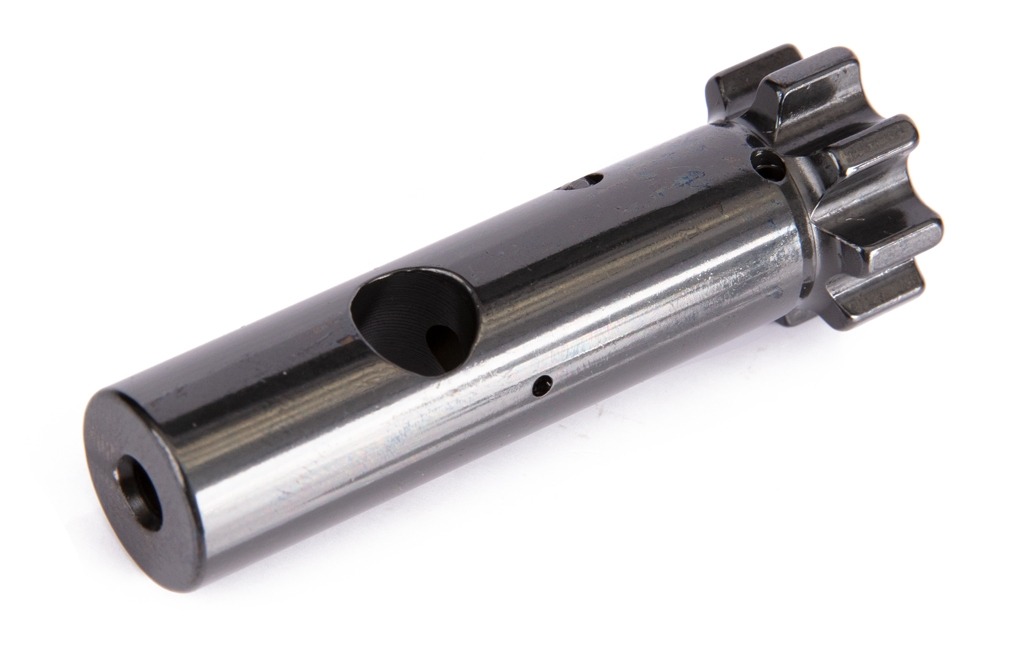
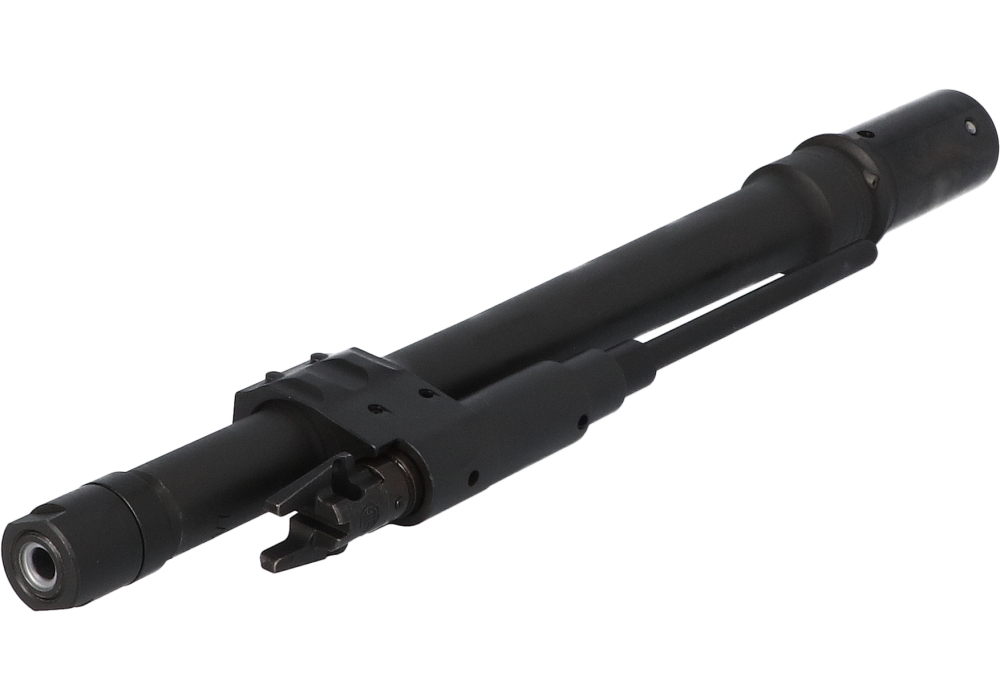
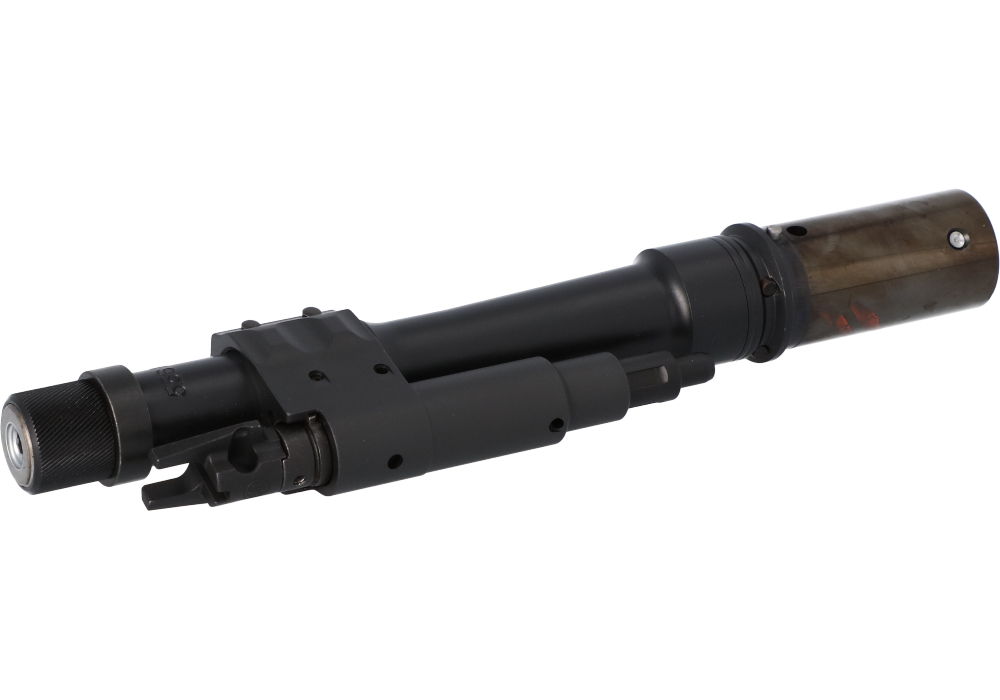
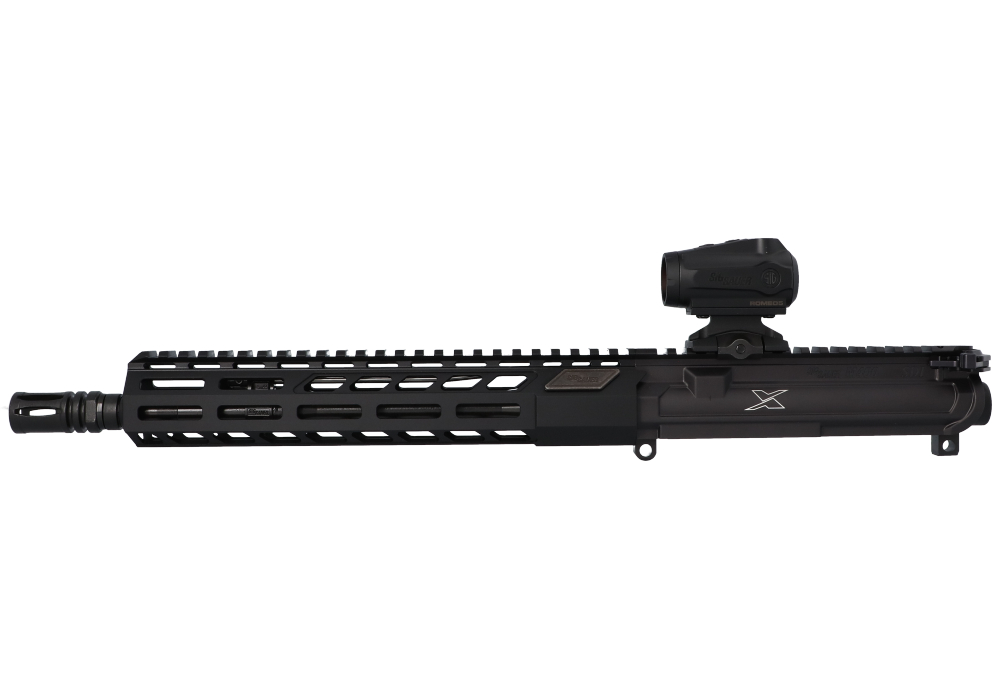
Aftermarket bolt assemblies for 5.56 platforms give owners a practical way to replace a worn component, maintain a dependable spare, or configure a compatible rifle around specific performance and durability goals. These assemblies are commonly selected for AR-15 and M16-pattern platforms chambered in 5.56 NATO, although compatibility can vary by barrel extension, bolt design, carrier group, and operating configuration. A replacement bolt may be useful for a rifle that sees regular range use, training, competition, varmint control, or duty-oriented practice, while a spare can provide valuable peace of mind when kept with a carefully organized parts kit. Many enthusiasts choose an additional assembly before extended travel to a training facility or a long stretch of time outdoors, much like carrying a spare set of batteries or a properly fitted tool. For customers comparing this category with complete firearm configurations, the related AR 5.56 Assemblies collection can provide additional context around compatible platforms and configurations. Whether the goal is routine maintenance or a carefully planned upgrade, the most important starting point is confirming that the bolt assembly matches the rifle’s chambering, barrel extension, carrier, firing pin, extractor components, and intended use.
Material and inspection standards are central considerations when comparing aftermarket 5.56 bolt assemblies. Carpenter 158 steel remains a traditional mil-spec choice, valued for toughness, fatigue resistance, and long service in demanding conditions. 9310 steel is another common option and can offer excellent strength when it has been properly carburized and heat-treated. The alloy alone does not tell the whole story; machining quality, heat treatment, surface preparation, and inspection procedures all contribute to the finished part. High-pressure testing, often abbreviated HPT, applies controlled pressure to help identify structural weaknesses, while magnetic particle inspection, or MPI, is used to detect certain surface and near-surface flaws that may not be visible during a routine visual check. Buyers may also compare finishes such as phosphate, nitride, chrome, or electroless nickel-based coatings. These treatments can influence corrosion resistance, clean-up, surface hardness, and the way fouling behaves during repeated firing. Enhanced geometry may include modified lug radii, revised extractor interfaces, or dual ejectors intended to support consistent extraction and ejection. Such features can be particularly relevant for rifles that experience frequent firing, suppressed use, or gas-system conditions that place additional demands on the bolt and extractor. Finish and design should still be evaluated alongside the rifle’s complete operating system rather than treated as isolated improvements. A bolt with an appealing coating or feature set is only a sound choice when its dimensions and specifications are appropriate for the host firearm.
Before installing any replacement bolt, verify the assembly’s specifications against the rifle and barrel extension, and have headspace checked with the proper gauges by a qualified gunsmith or other competent professional. Headspace is a critical safety dimension that confirms the relationship between the chamber and bolt when the action is closed; a new bolt should not be assumed to be interchangeable simply because it fits within the carrier. Professional inspection is especially important when pairing a new bolt with an existing barrel, when combining components from different manufacturers, or when diagnosing extraction, ignition, or cycling concerns. Routine care also supports dependable service. Keep the bolt, extractor, ejector, gas rings, and firing pin free of excessive fouling, follow the firearm manufacturer’s lubrication guidance, and inspect wear points during normal maintenance. A compact range kit may include spare gas rings, extractor springs, an extractor, and a firing pin retaining pin, with small parts stored where they cannot collect grit or disappear beneath a vehicle seat. These assemblies can be a thoughtful gift for a firearm owner who enjoys hands-on maintenance, keeps a dedicated training rifle, or values having properly matched replacement parts available, provided the recipient’s platform and chambering are known. During the cooler months, when range sessions may be shorter but equipment preparation often receives more attention, a correctly specified bolt assembly can be a useful addition to a maintenance bench or organized gear case. Select based on verified compatibility, documented inspection, construction, finish, and intended use, and rely on qualified service whenever fit, headspace, or function is uncertain.