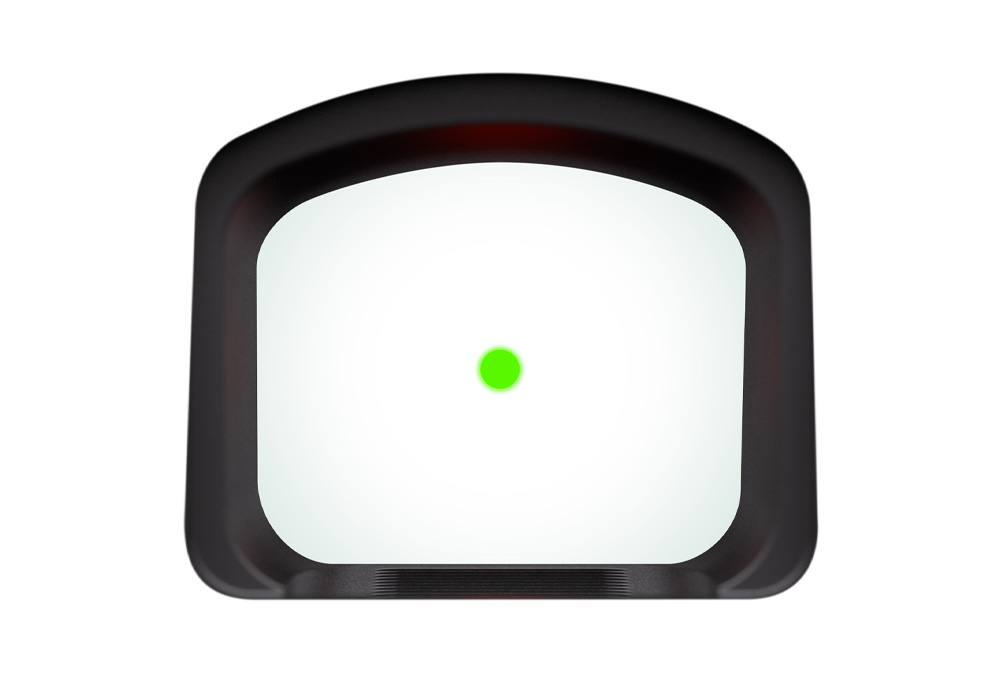
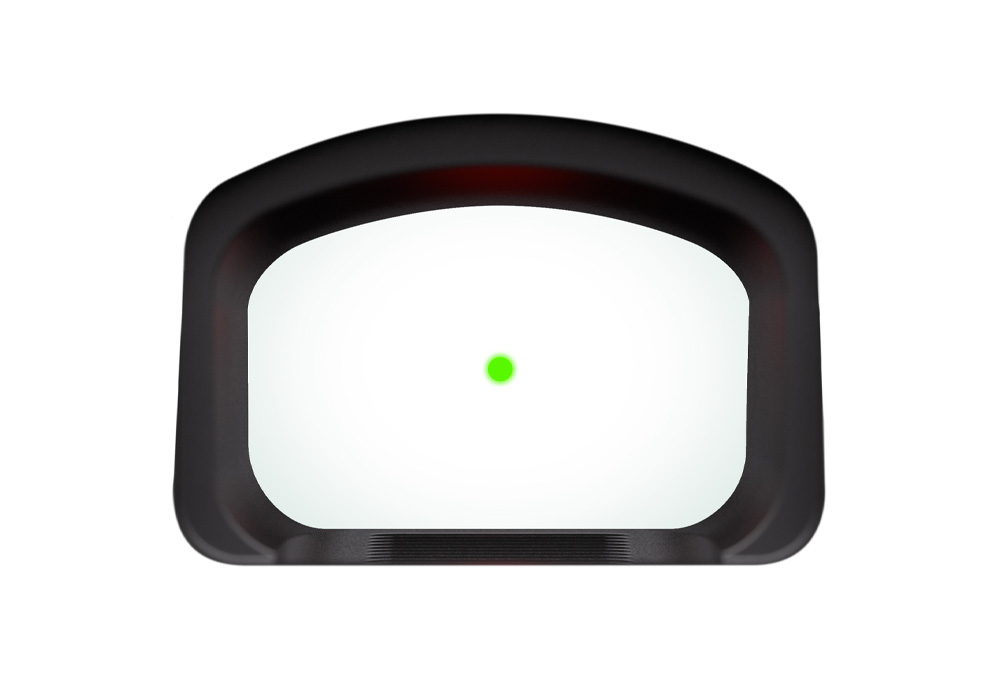
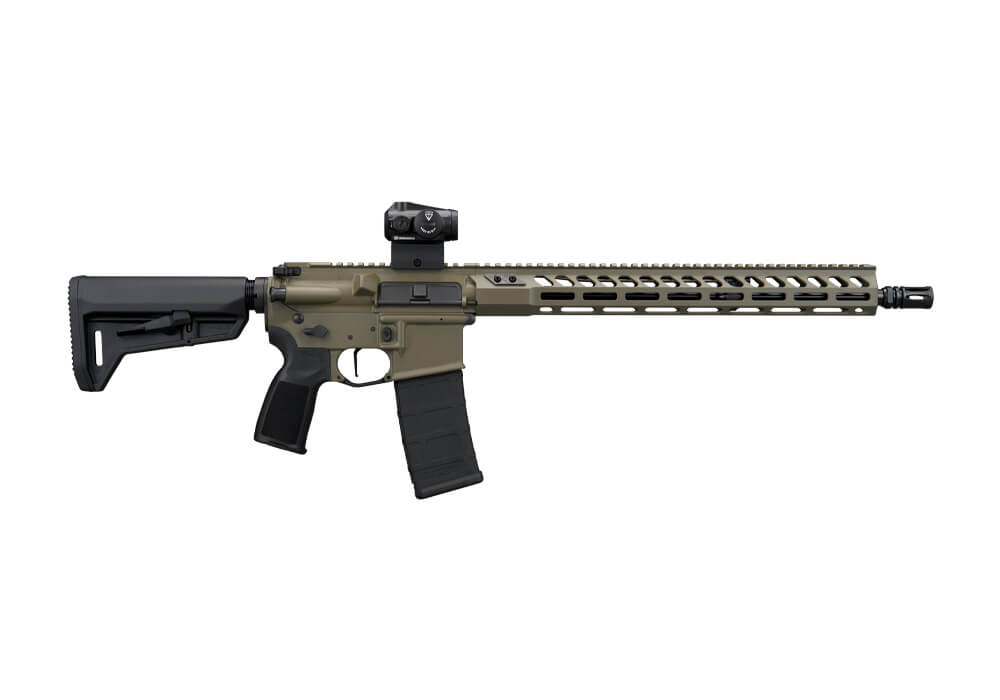
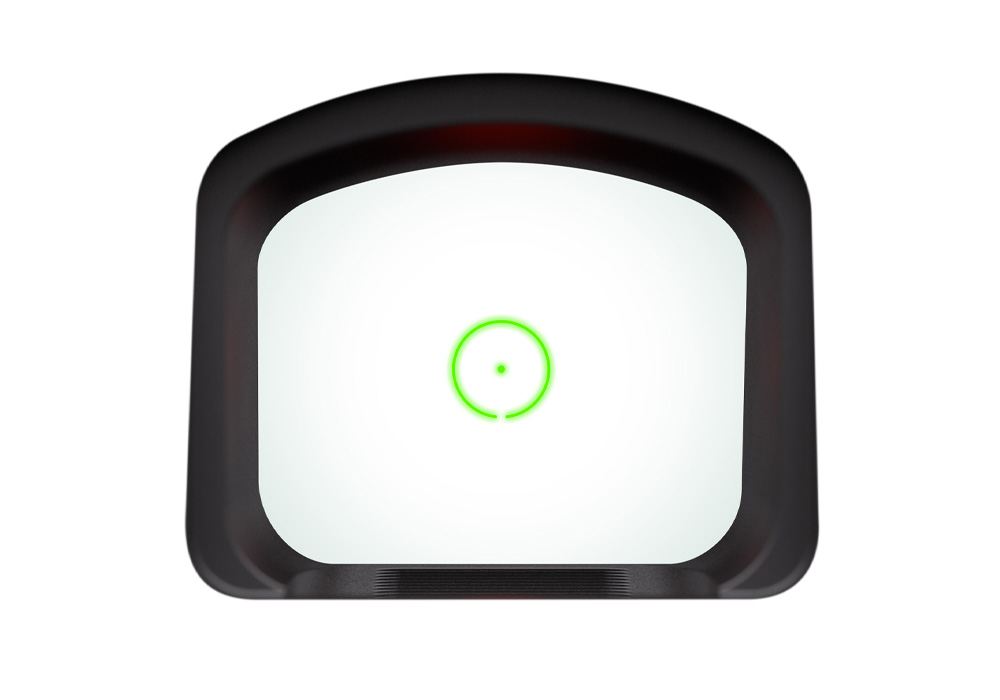
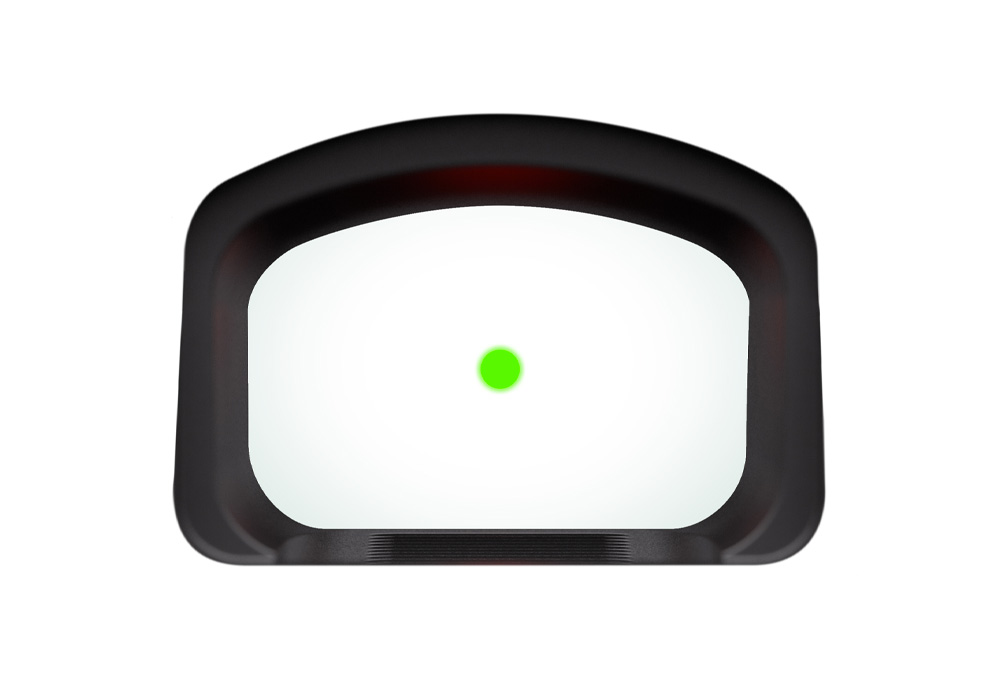
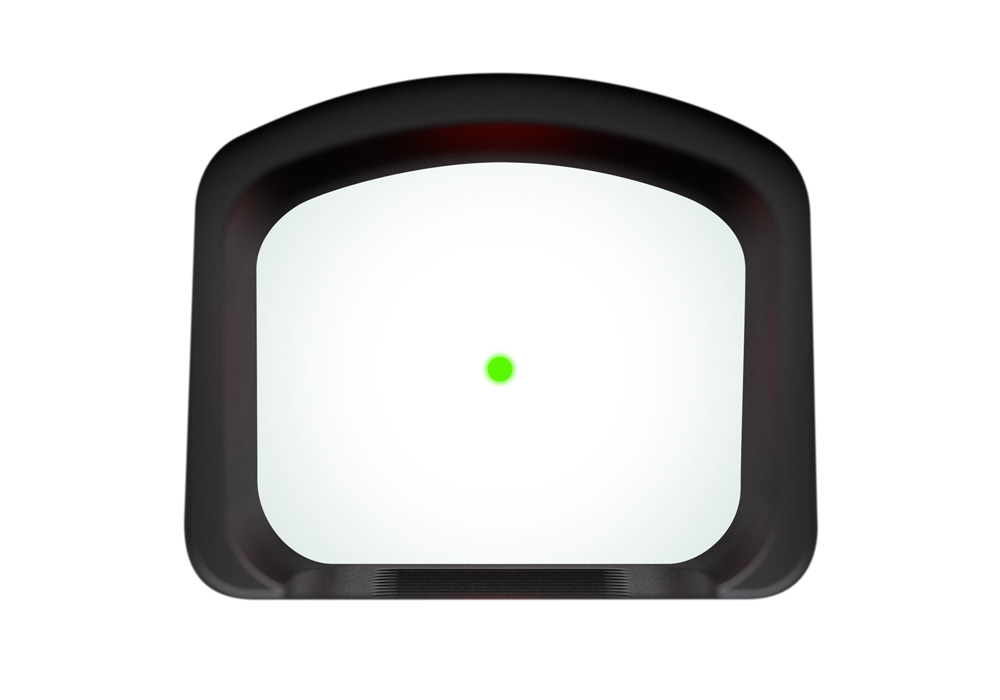
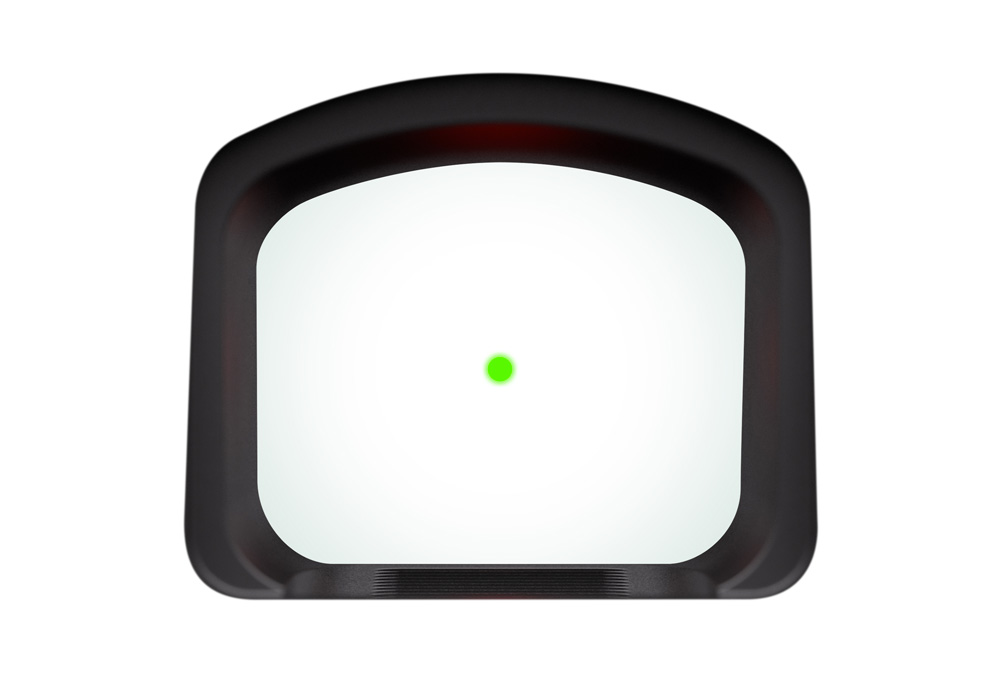
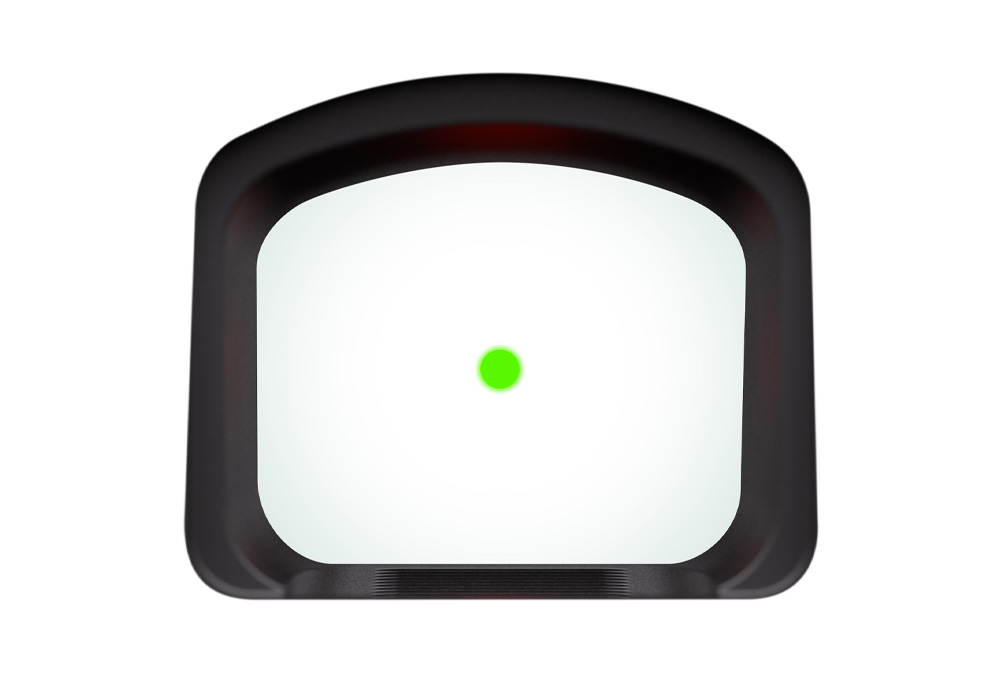
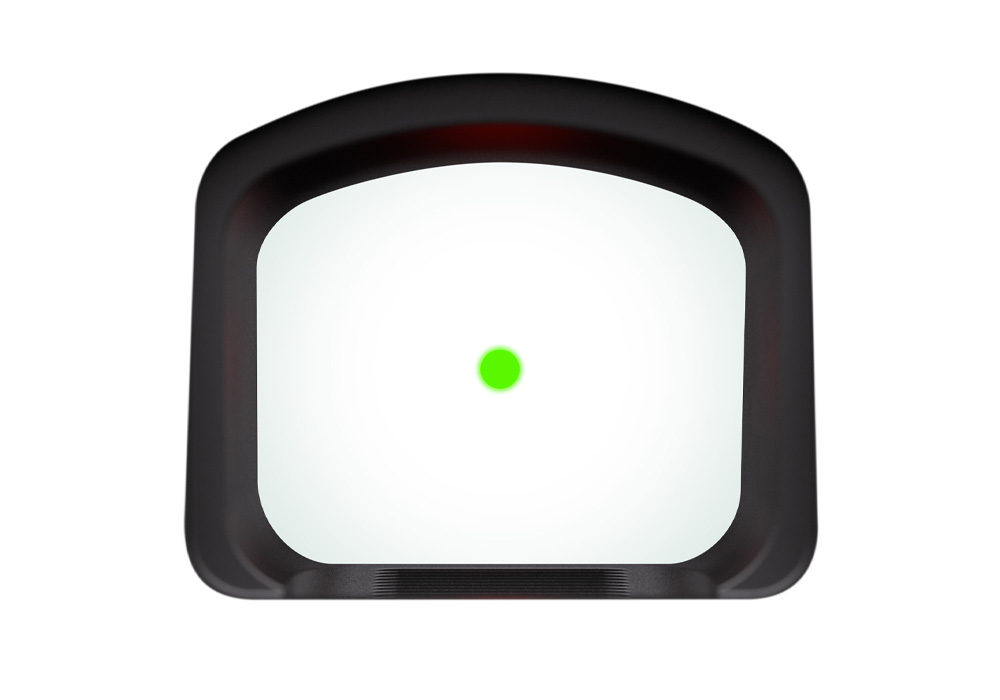
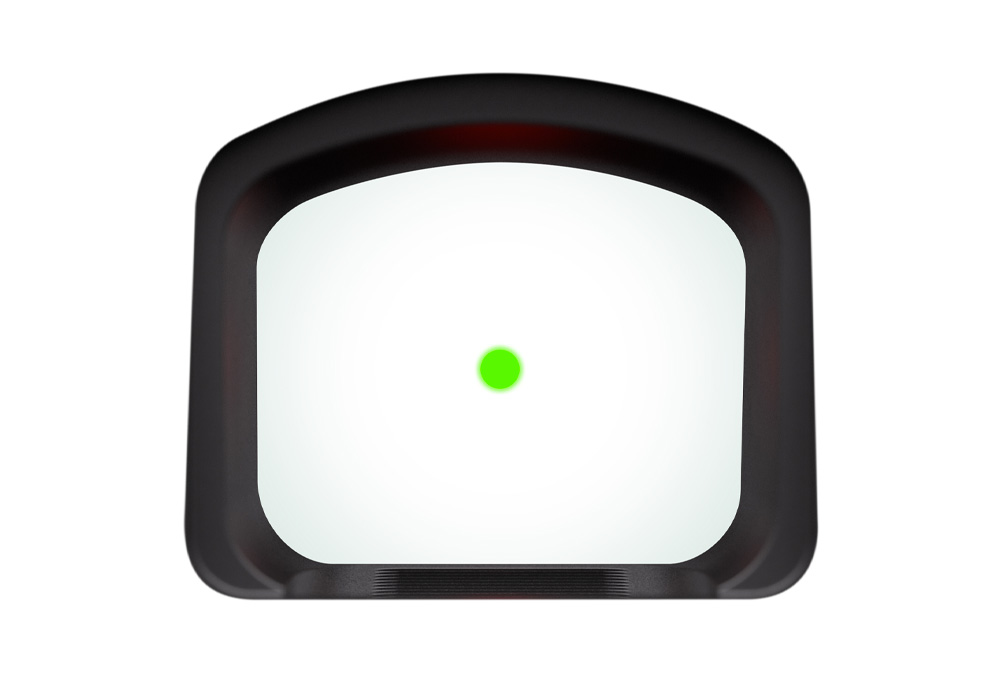
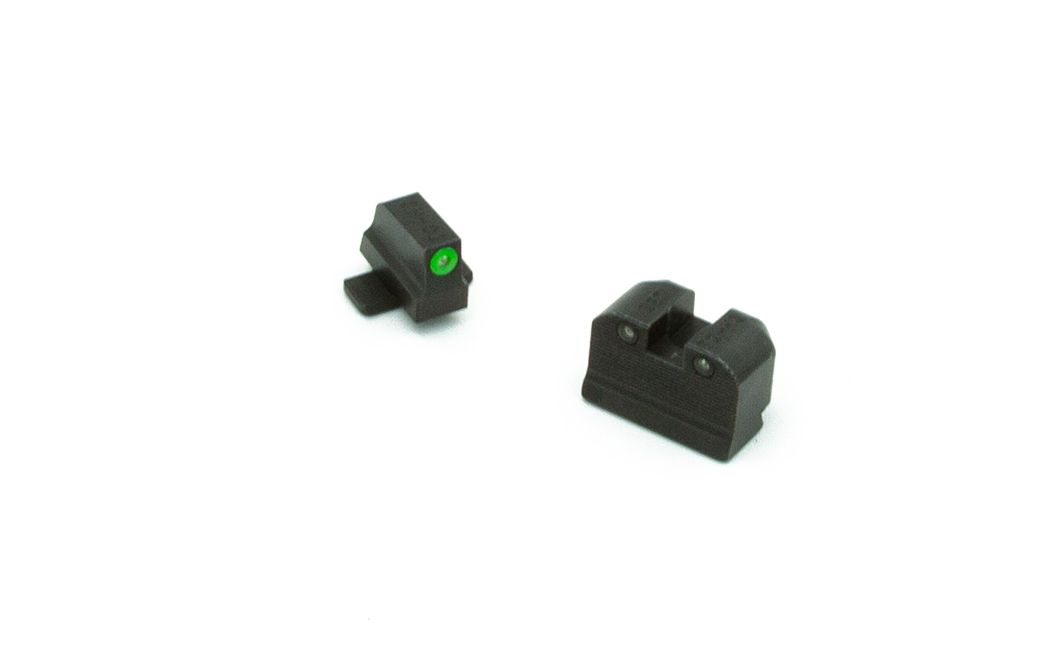
Green reticle rifle optics give shooters another way to acquire an aiming point quickly and maintain a clear sight picture across changing backgrounds. A green illuminated reticle is especially noticeable against bright outdoor scenery, where a traditional dark reticle can blend into tree lines, brush, or uneven shadows. The human eye is generally sensitive to green wavelengths, and many shooters find that a green dot or illuminated aiming point appears crisp and easy to pick up during daylight shooting. That can be helpful when moving between targets at the range, tracking game through a clear opening, or bringing a rifle into position after scanning a broad field. Shooters who experience astigmatism may also find that green illumination produces a more defined appearance than red illumination, although the effect varies from person to person and the best choice is always the one that looks clearest through your own eyes. Green reticle rifle optics are available in compact reflex-style configurations, enclosed-emitter designs, and variable-power scopes with an illuminated aiming point. Reflex and red-dot-style optics are often selected for fast handling and a wide field of view, while a magnified optic may be a better fit for hunters and target shooters who need to identify details or place shots at greater distances. The right choice depends on the rifle, the intended range, the shooting environment, and whether speed, precision, or a balance of both matters most.
Before choosing a green reticle rifle optic, consider the rifle’s mounting system, the optic’s footprint, and the height at which it will sit above the bore. A secure mount that holds zero is essential, particularly on a rifle that will be transported in a case, carried across uneven ground, or used during the cooler months when gloves and heavier clothing can affect handling. Eye relief deserves close attention on magnified models; a comfortable, repeatable head position makes it easier to see a full sight picture without crowding the ocular lens. For non-magnified optics, look at the size and shape of the viewing window, the clarity of the glass, the dot size, and the available brightness settings. A smaller aiming point can support more precise placement, while a larger dot may be easier to locate during fast transitions or in fading light. Brightness should be adjustable enough to remain visible in strong daylight without appearing washed out, and lower settings can help prevent glare in shaded conditions. Battery life, automatic brightness control, manual controls, lens protection, and weather resistance also influence day-to-day reliability. Some optics include solar-assist features or backup illumination methods, but those features should complement—not replace—fresh batteries and a practical maintenance routine. After mounting, confirm that the optic is properly aligned, tighten hardware according to the manufacturer’s specifications, and sight in with the ammunition you plan to use. A careful zero at the range, followed by a confirmation check after transport or seasonal storage, builds confidence before field use.
Green reticle rifle optics can suit a wide range of shooters, from someone refining fundamentals on a rimfire rifle to a hunter preparing a centerfire rifle for wooded trails and open fields. A compact optic may be a practical option for a lightweight sporting rifle, a brush gun, or a platform used for close-to-moderate range practice, while a magnified green illuminated reticle can help a hunter distinguish the aiming point from a mottled background when the landscape is covered in leaves, grass, or low-contrast branches. Target shooters may appreciate the quick visual pickup of a green dot during drills, especially when transitioning between paper targets or steel plates. For responsible home-defense preparation, an optic should be chosen only after considering safe storage, proper training, local laws, and the rifle’s overall suitability; illumination is helpful only when paired with sound judgment and a clear understanding of the surroundings. These optics can also make thoughtful gifts for experienced shooters, new rifle owners, or outdoorsmen who are upgrading an older setup, provided the recipient’s rifle type and mounting requirements are known. During the cooler months, a well-selected optic can make range sessions more comfortable by reducing the time spent searching for a reticle through layers of clothing or dimmer afternoon light, while hunters may value a sight picture that remains easy to read as the terrain shifts from sunlit openings to shaded cover. Those comparing options for field use may also want to explore Hunting Green Dot Sights for additional insight into green illuminated aiming solutions. As with any rifle accessory, the best optic is the one that fits securely, presents a sharp and visible reticle, withstands the conditions in which it will be used, and supports consistent, practiced shooting.