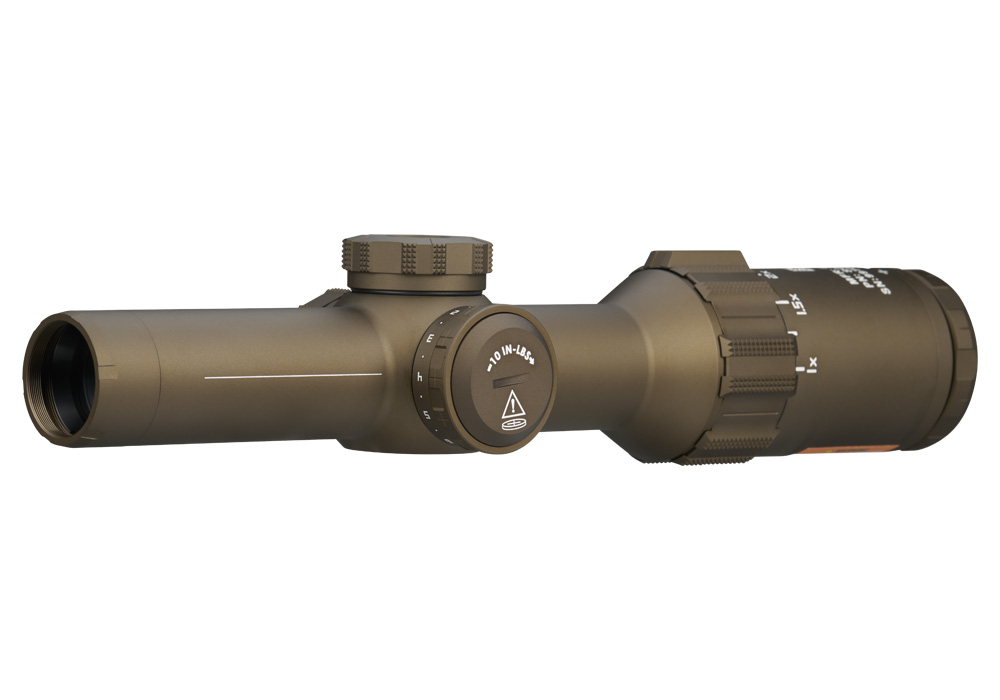
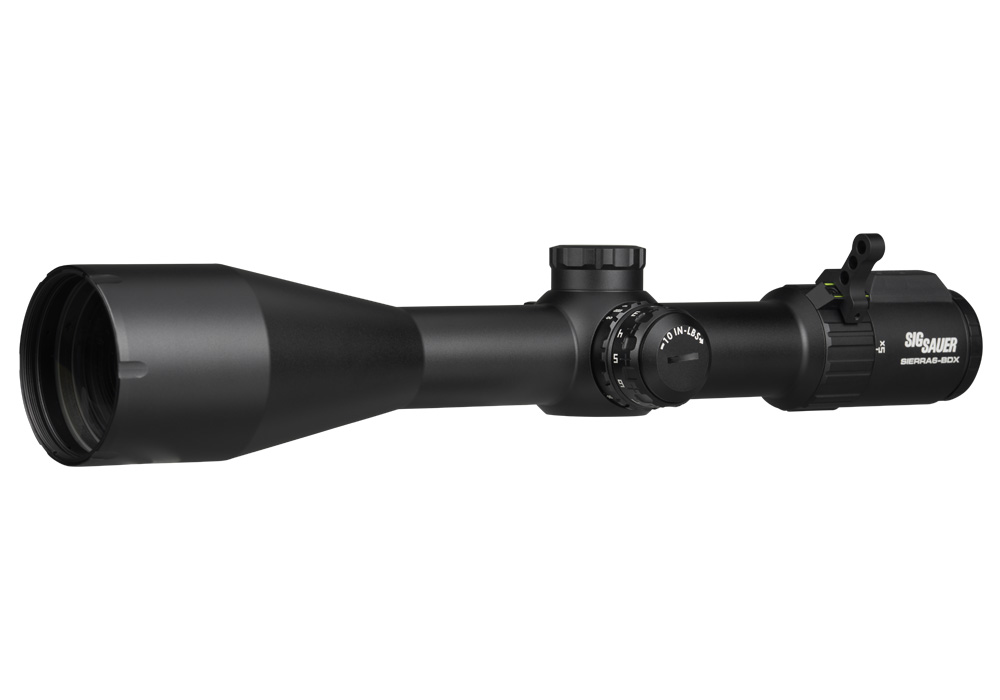
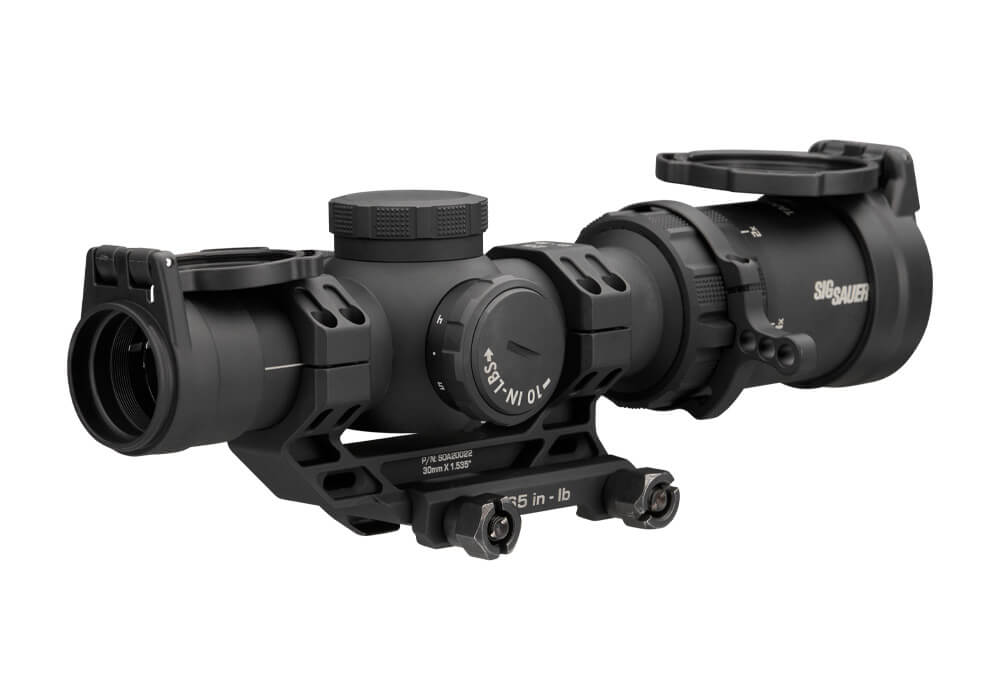
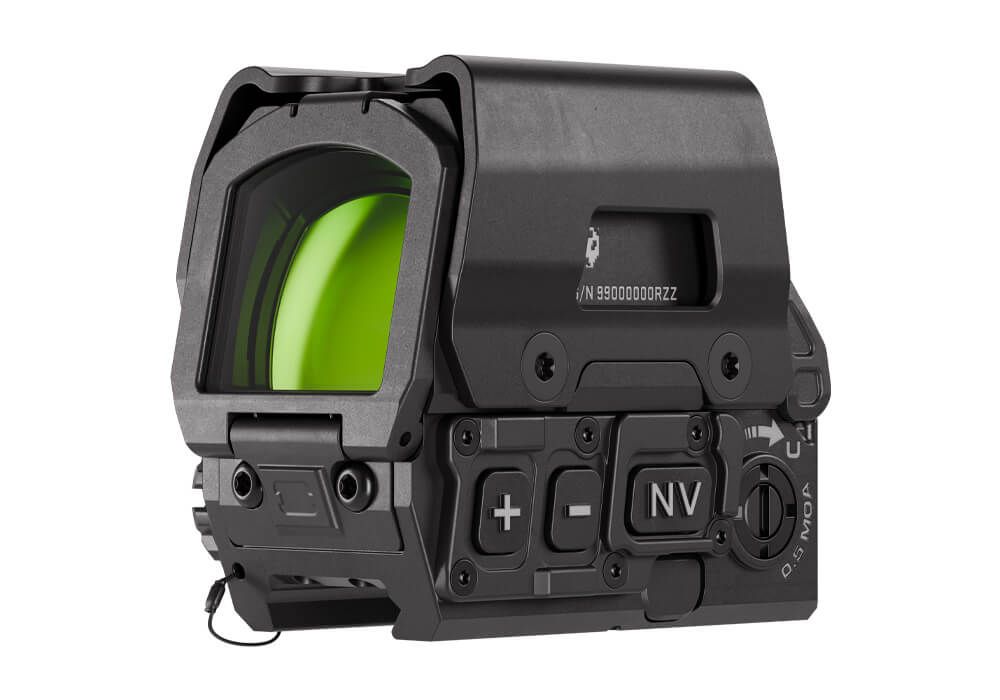
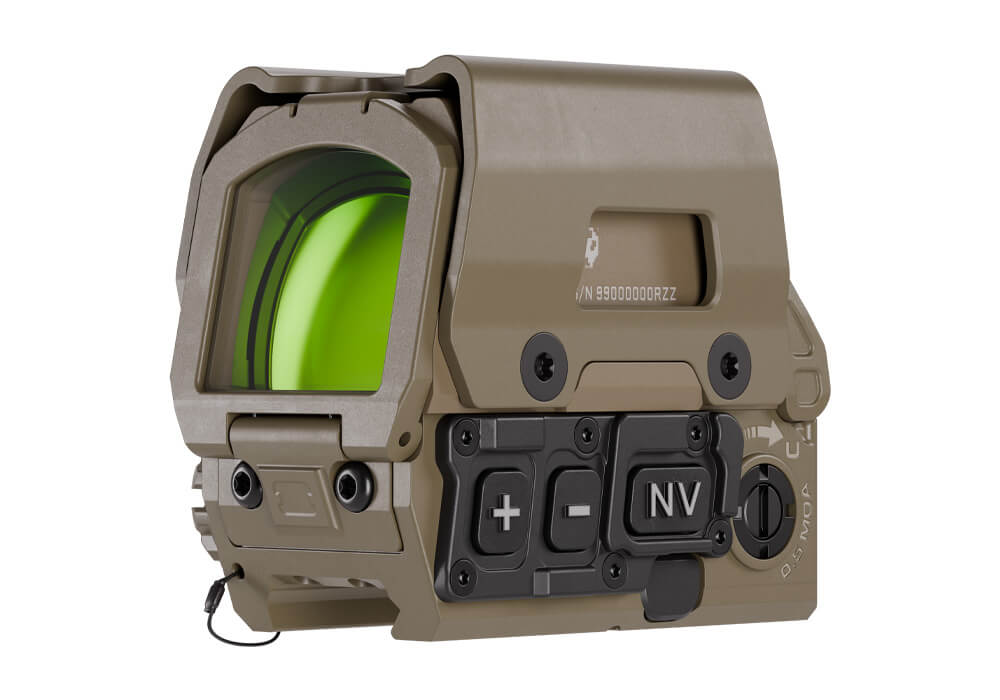
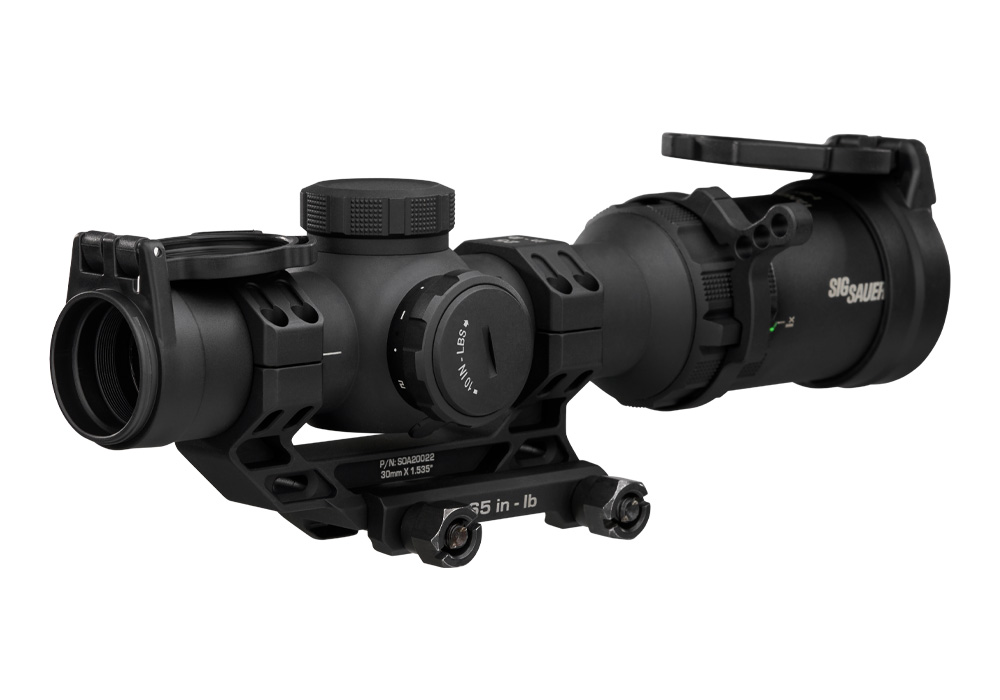
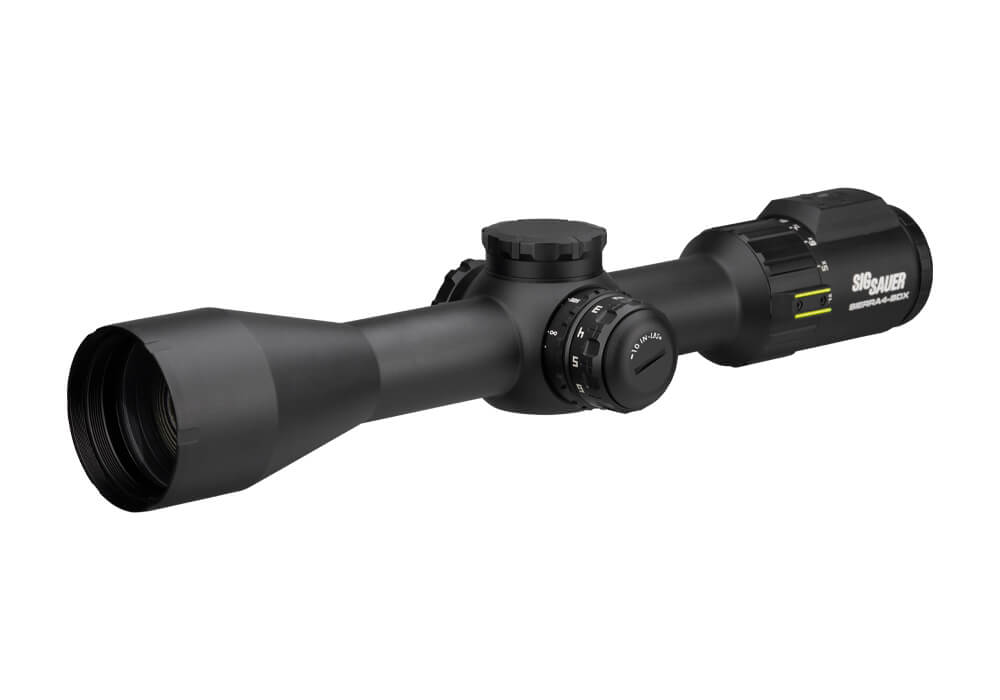
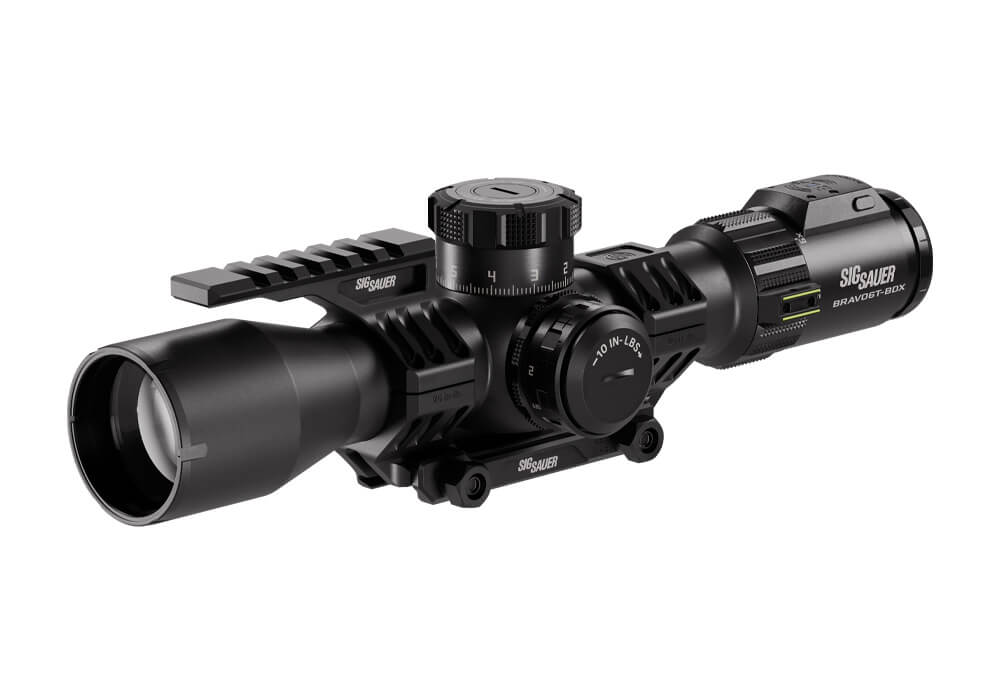
Low-light precision match optics are designed for shooters who need a clear, dependable sight picture when natural light is limited and every detail matters. They are well suited to precision rifle competition, range practice that extends into the evening, varmint and predator applications where legal, and disciplined training in shaded or changing conditions. A capable optic can help define the target, reticle, and surrounding reference points when the sun is low, a firing line is covered by trees, or a distant berm falls into shadow. When comparing options, start with the optical system rather than focusing on magnification alone. Fully multi-coated lenses help increase light transmission and control glare, while extra-low dispersion glass can improve color fidelity, edge definition, and contrast. A larger objective lens, often 50mm or more in this category, can gather substantial ambient light, but lens quality, coatings, internal baffling, and overall optical design are equally important. Exit pupil is another useful specification: an exit pupil of approximately 6mm or greater can make it easier for the eye to use available light during dawn, dusk, and other dim conditions. The goal is a bright, well-defined image that remains useful as shadows lengthen—not simply the largest objective or highest magnification listed on a specification sheet.
Magnification range should reflect the way the optic will be used. A lower starting power keeps the field of view broad for closer targets and makes it easier to find a target quickly, while increased magnification supports careful aiming at extended distances and helps distinguish small scoring zones or precise points of aim. First focal plane reticles maintain their subtensions throughout the magnification range, which can be valuable for holdovers and range estimation during a match. Second focal plane reticles keep a consistent visual size and can provide a fine, uncluttered aiming reference at the optic’s intended magnification. Reticle design deserves particular attention in low-light precision match optics. Fine hash marks, a center dot, or a combination reticle can support precise placement without covering the target, while adjustable illumination can make the central aiming reference easier to see against a dark background. The illumination should have settings subtle enough for low-light use; excessive brightness can reduce night vision and obscure detail around the point of aim. Battery-powered illumination offers adjustable intensity and familiar controls, while other systems may supplement or replace batteries through fiber-optic or passive elements. Reliable adjustment turrets, tactile clicks, a useful elevation range, parallax adjustment, generous eye relief, and a forgiving eye box all contribute to practical performance when shooting from changing positions. For match use, smooth magnification controls and clearly marked, repeatable adjustments can make transitions between stages more efficient. A scope should also be compatible with the rifle, cartridge, mounting system, and shooting distance, with sufficient clearance between the objective bell, rail, and barrel. Proper mounting and confirmation of zero remain essential before any live-fire activity.
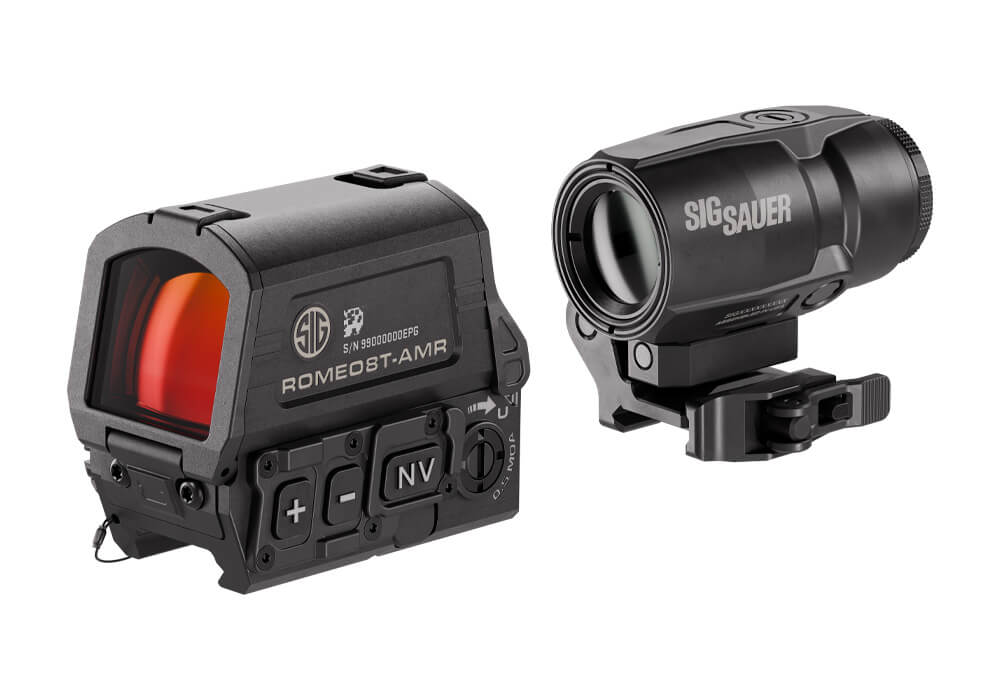
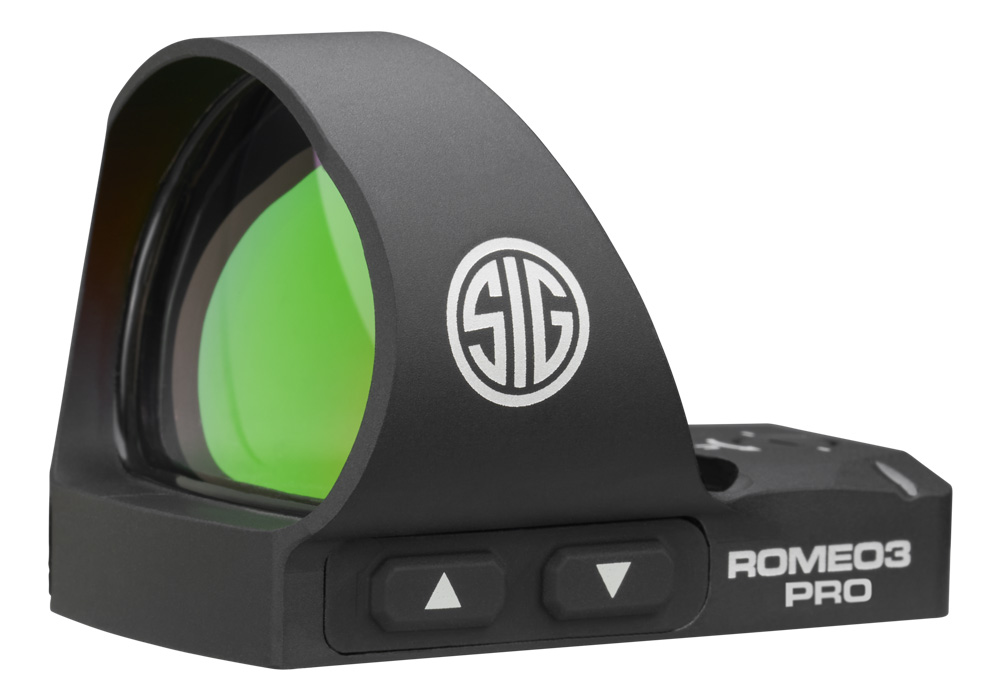
These optics can appeal to experienced competitors refining a competition rifle, recreational shooters building a dedicated precision setup, and hunters or property owners who need a clear aiming reference during the cooler months when daylight fades earlier. They may also be a thoughtful gift for a serious shooter, provided the recipient’s rifle configuration, mounting height, preferred reticle style, and intended distance are known. An optic that feels perfect on a lightweight hunting rifle may not suit a match platform with a large handguard and adjustable stock, so compatibility is more meaningful than appearance alone. Consider tube diameter, objective size, total length, weight, mounting requirements, turret configuration, reticle location, illumination controls, and the available adjustment range before making a purchase. Weather-resistant construction, sealed housings, and durable exterior finishes are valuable when equipment moves between a warm vehicle, a cold firing line, wet grass, or dusty range conditions. Clear glass should remain only one part of the decision; controls need to be easy to operate with a stable shooting position, and the optic should balance appropriately without making the rifle cumbersome to carry or support. Shooters who prefer a compact aiming solution for close-to-midrange use may also explore Precision Dot Optics, while those seeking extended-range precision will generally favor a variable-power design with a fine reticle and robust adjustment system. Whether used for match stages under fading light, careful practice at a shaded range, or a well-planned field setup, low-light precision match optics bring together light transmission, reticle visibility, magnification flexibility, and mechanical consistency in a package built for deliberate, repeatable shooting. Always follow applicable laws, range rules, and safe firearm-handling practices, and verify that the selected optic is properly mounted, zeroed, and suited to the intended firearm and ammunition.